
Fall Maintenance Tips Every BMW Owner in Houston Should Know

C Deselle • September 17, 2025

As summer winds down and Houston heads into the cooler months, it’s the perfect time to think about seasonal maintenance for your BMW. While fall in Texas isn’t as harsh as in northern states, the shift from blazing summer heat to cooler mornings can still create challenges for your vehicle. Rainy weather, shorter days, and the upcoming holiday travel season all put extra demands on your BMW’s systems.


At TMJ Bimmers, Houston’s trusted independent BMW and European car repair shop, we help drivers prepare for seasonal changes so their vehicles run smoothly and safely year-round. If you want to protect your investment, prevent breakdowns, and enjoy the full performance your BMW was engineered to deliver, here’s the ultimate fall maintenance checklist.


Why Fall Maintenance Matters for BMWs

BMWs are precision-engineered vehicles with advanced electronics, tightly tuned engines, and performance-driven components. That’s what makes them such a joy to drive—but it also means they can be sensitive to temperature changes and deferred maintenance.

In Houston, fall brings:


  • Cooler mornings that strain your battery.

  • Heavier rainfall that demands good tires, wipers, and brakes.

  • Holiday travel that puts extra miles on your car.

  • The first chance to recover from the stress of summer heat on fluids, belts, and cooling systems.

By addressing potential issues in the fall, you can avoid inconvenient breakdowns, costly repairs, and stressful surprises when you’re heading out for a family holiday road trip.

1. Test Your Battery & Charging System

Batteries often fail when the temperature drops—even if Houston rarely sees freezing weather. Cold starts demand more power, and BMWs are packed with electronics that rely on a strong, healthy battery. Give TMJ Bimmers a call to schedule a battery health check which includes:

  • Testing the battery’s voltage and load capacity. Many failures come without warning.

  • Checking the alternator and charging system. Weak charging can cause slow starts and dash warning lights.

  • Inspecting for corrosion. Battery terminals should be clean and tight.

  • Replacing if necessary. Most BMW batteries last 4–5 years; after that, it’s a gamble.

At TMJ Bimmers, we warranty our batteries under our 4 year / 44 mile warranty, using only. And, we use diagnostic tools that communicate directly with your BMW’s system, ensuring that any battery replacement is properly registered to your vehicle. 

2. Protect Your Engine with Coolant & Antifreeze

Houston’s summer heat can take a toll on your cooling system. As fall begins, it’s smart to check your coolant, not just for proper levels, but also for protection against corrosion and winter temps.

  • Coolant flush. Old coolant loses its ability to protect aluminum engine components.

  • BMW-approved antifreeze. Never mix universal coolant with BMW-specific formulas—doing so can lead to costly damage.

  • Hose inspection. Over time, rubber hoses expand in the heat and contract in cooler weather, leading to cracks or leaks.

A cooling system service now helps prevent overheating, especially if you’re planning long drives for Thanksgiving or Christmas.

3. Tires & Alignment for Wet Roads

Fall in Houston often means heavy rain, wet leaves on the pavement, and the occasional early cold snap. Your tires are the only thing between you and the road, so don’t take them for granted.

  • Tread depth. BMW recommends at least 4/32" tread depth for safe wet-weather driving.

  • Air pressure. Tire pressure drops as temperatures fall—underinflated tires reduce fuel economy and traction and increase uneven tire wear. 

  • Alignment check. Misaligned wheels cause uneven tire wear and poor handling.

  • Consider seasonal tires. If you’re traveling north during the holidays, all-season or winter tires provide extra safety.

We recommend having your tires rotated and balanced during your fall service to extend their life and improve ride quality.

4. Brake System Inspection

Rain, wet leaves, and slick roads can double your stopping distance in fall conditions. BMW brake systems are highly responsive, but they need regular care to stay that way.

  • Inspect pads and rotors. Thin pads or warped rotors reduce braking performance.

  • Check brake fluid. BMW recommends flushing brake fluid every 2 years—it absorbs moisture, which reduces braking effectiveness and corrodes internal components.

  • Listen for warning signs. Squeaking, grinding, or a soft pedal are all signs that service is due.

5. Heating, Defrost, and Comfort Systems

It might not get freezing in Houston often, but when the first chilly morning hits, you’ll want your heater, defrosters, and comfort systems working properly.

  • Test the HVAC system. Make sure the cabin heats up quickly and air flows strong.

  • Check heated seats and steering wheel. Small luxuries make winter driving more comfortable.

  • Inspect defrosters. Foggy windshields can be dangerous in early morning commutes.

6. Wipers & Washer Fluid

Clear visibility is one of the most important safety factors for fall driving. Heavy rainstorms are common in Houston this time of year, and streaking wipers make it nearly impossible to see.

  • Replace blades. BMW recommends changing wipers annually, but Houston heat often wears them out sooner.

  • Check washer fluid. Switch to a formula with freeze protection if you’ll be driving out of state.

  • Inspect washer nozzles. Clogged nozzles can be cleaned easily during service.

7. Oil Change & Preventive Maintenance

If you’re due for an oil change, fall is the time to get it done. BMW engines are engineered for high performance, and clean, high-quality synthetic oil is essential for smooth operation.

  • Synthetic oil. Keeps viscosity stable in cooler temps.

  • Filter replacement. Traps dirt and debris that could damage your engine.

  • Check all fluids. Transmission, power steering, differential, and windshield washer fluid should be topped off or replaced if needed.

Doing this before holiday travel ensures your engine is protected during long drives.

8. Belts, Pulleys, and Rubber Components

Rubber parts harden and crack as temperatures drop. Belts and pulleys that looked fine in August can fail by December.

  • Inspect the serpentine belt. This drives critical components like the alternator and water pump.

  • Listen for squealing. A high-pitched squeal at startup often means belt wear.

  • Replace before failure. A snapped belt can leave you stranded on the roadside.

9. Undercarriage Inspection & Rust Prevention

Houston drivers don’t usually deal with road salt, but many BMW owners travel during the holidays. Exposure to salt and grime can quickly corrode the undercarriage, exhaust, and brake lines.

  • Inspect the undercarriage. Look for early signs of rust or damage.

  • Protective coatings. Ask about preventive treatments before winter trips.

10. Build an Emergency Kit

Even though Houston winters are mild, being prepared is smart. Keep an emergency kit in your BMW:

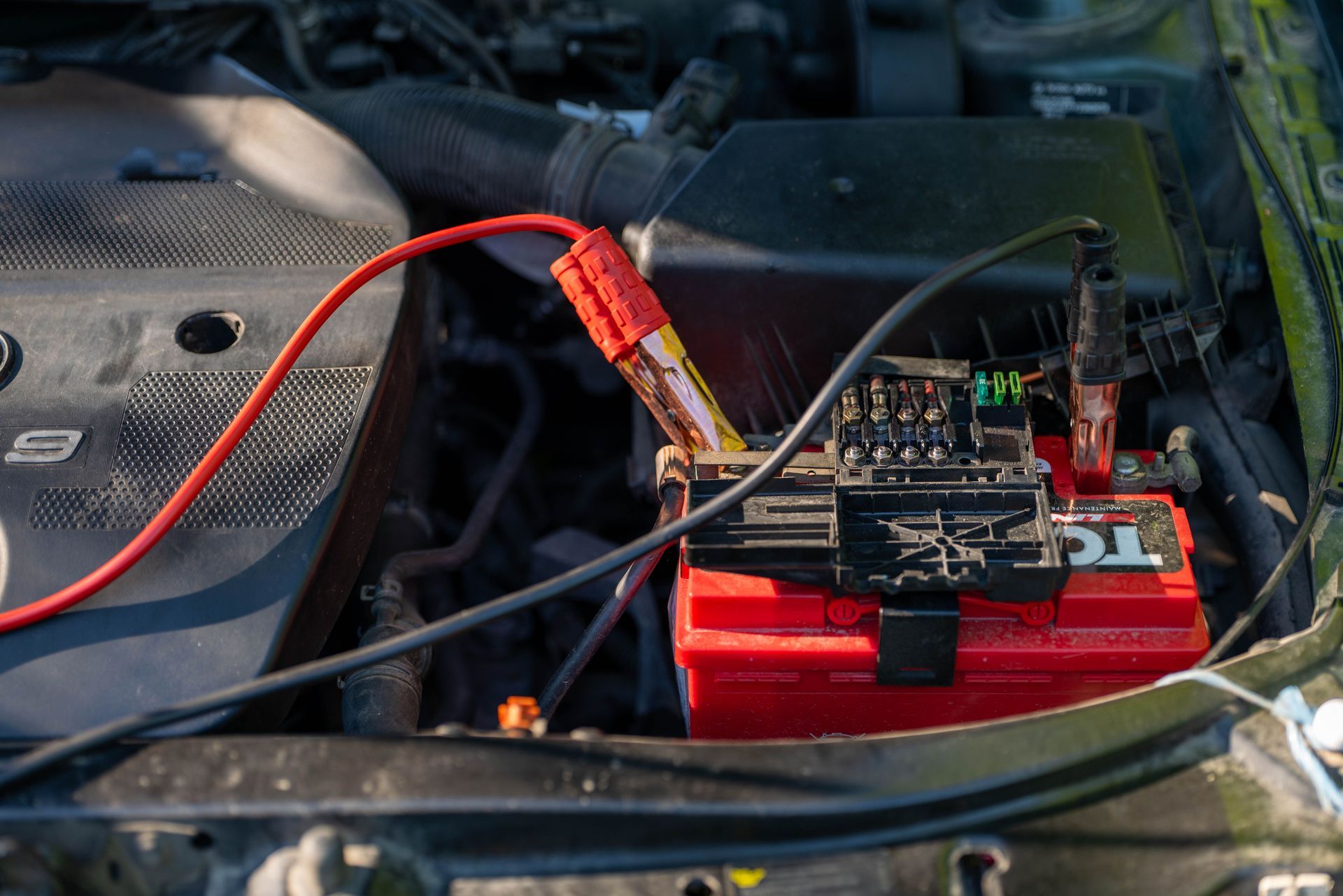
  • Jumper cables or portable jump starter
  • Tire inflator or sealant
  • Blanket and gloves
  • Flashlight with extra batteries
  • Bottled water and snacks

This small step ensures you’re never caught off guard.

Why Choose TMJ Bimmers for Fall Maintenance?

TMJ Bimmers is Houston’s independent BMW and European car repair shop. We offer dealership-level expertise without dealership prices, and we understand the unique needs of BMWs in Houston’s climate.

Our technicians use BMW-specific diagnostic equipment, OEM-quality parts, and years of hands-on experience to ensure your car gets the care it deserves. Whether it’s a quick seasonal checkup or a complete fall maintenance package, we’ll keep your ultimate driving machine in top condition.

Schedule Your Fall BMW Service Today

Fall is the perfect time to prepare your BMW for safe, reliable driving through the cooler months and busy holiday season. Don’t wait until a dead battery, worn brakes, or a coolant leak interrupts your plans.

📞 Call TMJ Bimmers today to schedule your fall maintenance service, (713) 384-2273
?
? Conveniently located in Houston, TX
🌐 tmjbimmers.com

Your BMW was engineered to perform. Let TMJ Bimmers help you protect that performance all season long.


By TMJ Bimmers June 15, 2026
Expert air conditioning service for European vehicles in Houston, TX. Trust TMJ Bimmers Euro Auto Repair for reliable maintenance. Schedule an appointment!
By C Deselle May 22, 2026
A Smarter Way to Buy—and Own—a BMW There’s a moment that every BMW buyer knows well. You spot the car. The stance is right. The paint catches the light just enough. You take it for a drive, and within minutes, you’re already picturing it in your driveway. At that point, logic tends to take a backseat. That’s exactly where problems start. BMWs are engineered to deliver an incredible driving experience—but they’re also complex machines with very specific maintenance needs. A car can feel tight, smooth, and powerful during a 15-minute test drive while quietly hiding thousands of dollars in upcoming repairs. That’s why at TMJ Bimmers, we always say the same thing: The most important part of buying a BMW happens before you own it—and immediately after you do. The Emotional Trap of Buying a BMW Buying a car isn’t purely rational. If it were, no one would care about driving dynamics, exhaust notes, or design details. With these luxury vehicles, that emotional pull is even stronger. You’re not just buying transportation—you’re buying performance, precision, and a driving identity. But that emotional momentum can cause buyers to overlook one critical step: verifying what’s actually going on beneath the surface. A clean Carfax. No warning lights. A smooth drive. That’s not proof of a healthy vehicle. It’s just the absence of obvious problems. What a Pre-Purchase Inspection Really Does A Pre-Purchase Inspection (PPI) is where emotion meets reality in the best possible way. It doesn’t exist to kill a deal. It exists to define the deal. At TMJ Bimmers, a proper PPI is less like a checklist and more like a full diagnostic story of the vehicle. We’re not just looking for what’s broken—we’re identifying what’s about to be. Because with these vehicles, timing is everything. A car may not need a cooling system today—but if it’s original at 70–90k miles, it’s not a question of if, it’s when. Here’s what we’re really uncovering during a PPI: Hidden electronic issues Stored shadow codes that never trigger dashboard warnings. These can point to early-stage failures long before they become obvious. Oil leaks in their early stages A minor seep today becomes a major repair tomorrow. Catching it early changes both the cost and the conversation. Cooling system wear Water pumps and thermostats don’t always fail gradually. Sometimes they fail all at once, and when they do, the engine is at risk. Suspension fatigue The car may still feel fine, but worn bushings and dampers slowly degrade handling and tire wear. Signs of previous repair work Not all repairs are equal. We often find evidence of shortcuts that won’t hold up long term. This isn’t about finding a perfect car. That doesn’t exist. It’s about understanding what you’re walking into. The Power of Information and Negotiation One of the biggest misconceptions about a PPI is that it’s just a pass or fail test. It’s not. It’s leverage. When you know the car needs a valve cover gasket, suspension work, or a cooling system refresh, you’re no longer guessing. You’re negotiating with facts. We’ve seen buyers save thousands simply by having a clear, professional assessment in hand. In many cases, the cost of the inspection is covered several times over in the final purchase price. And just as important, we’ve seen buyers walk away from cars that would have become expensive mistakes. Both outcomes are wins. Already Bought the Car? You’re Not Too Late Sometimes deals move fast. Sometimes the right car shows up and you don’t want to lose it. Or maybe you didn’t realize how important a PPI was until after the purchase. That’s where a Post-Purchase Inspection becomes critical. Instead of evaluating whether you should buy the car, we shift to a more important question: What does this car need now, and what will it need next? Turning Ownership Into a Plan A Post-Purchase Inspection at TMJ Bimmers is about creating a roadmap. Not everything needs to be fixed immediately. The key is knowing what matters now versus later. We typically break things into three categories: Immediate Attention These are issues that shouldn’t wait: Active oil or coolant leaks Brake components below safe limits Overheating risks Safety-related suspension concerns Near-Term Maintenance These are the items that, if ignored, become bigger repairs: Tires nearing replacement Aging batteries Worn control arm bushings or mounts Long-Term Planning This is where smart BMW, Mercedes, and Porsche ownership really pays off: Cooling system refresh intervals Transmission service, which is often overlooked Engine-specific known issues based on platform This approach removes guesswork. Instead of reacting to problems, you’re managing them. Why BMW-Specific Experience Changes Everything BMWs aren’t like most cars, and that’s exactly why people love them. But it’s also why generic inspections fall short. A general shop might tell you a car looks good. A BMW specialist will tell you: If that engine is known for timing chain issues Whether those injectors are nearing failure If the cooling system is original and on borrowed time Whether a small leak is routine or a warning sign At TMJ Bimmers, we don’t just inspect cars—we see patterns. We know how these vehicles age, where they fail, and what separates a good buy from a costly one. That level of insight only comes from specialization. A Quick Story That Says It All A customer came in ready to buy a BMW that checked every box. Clean history, great condition, no warning lights. On the surface, it was exactly what you’d want. During the PPI, we found: An early-stage oil leak Front suspension wear that hadn’t yet affected the drive Cooling system components nearing the end of their lifecycle Nothing catastrophic, but all expensive if ignored. Armed with that information, the buyer renegotiated the deal and saved thousands. Same car. Completely different outcome. The Bottom Line Buying a BMW should be exciting. Owning one should be rewarding. Both are true when you go in with clear information. A Pre-Purchase Inspection protects you before the decision. A Post-Purchase Inspection protects you after it. Together, they remove uncertainty and replace it with control. And with a car like a BMW, that makes all the difference. Schedule with Confidence If you’re considering a BMW or you’ve just bought one, don’t rely on guesswork. Schedule your inspection with TMJ Bimmers and get a clear, honest understanding of your vehicle before small issues turn into major repairs.
By C Deselle May 19, 2026
DIY BMW Maintenance: How to Replace Your Cabin Air Filter BMW ownership is about more than performance and driving dynamics. Comfort, air quality, and interior climate control are just as important to the driving experience. One of the most overlooked maintenance items that directly affects all three is the cabin air filter. Replacing your BMW’s cabin air filter is one of the easiest DIY services owners can perform, yet it has a noticeable impact on air quality, HVAC performance, and even interior odors. In this guide, TMJ Bimmers explains how to replace your BMW cabin air filter properly and when it makes sense to handle the job yourself. What Does a Cabin Air Filter Do? The cabin air filter cleans the air entering your vehicle through the heating and air conditioning system. It traps: • Dust and pollen • Road debris and pollutants • Exhaust particles • Mold spores and allergens Every time you turn on your climate control system, air passes through this filter before reaching the cabin. Over time, the filter becomes clogged, restricting airflow and reducing system efficiency. Signs Your BMW Cabin Air Filter Needs Replacement Many drivers don’t realize their filter is overdue because performance declines gradually. Common symptoms include: • Weak airflow from vents • Musty or unpleasant odors • Increased dust inside the cabin • Windows fogging more easily • Louder HVAC fan noise BMW typically recommends replacement every 12–15 months, but urban driving or heavy traffic conditions may require more frequent service. Where the Cabin Air Filter Is Located Unlike many vehicles, most modern BMWs place the cabin air filter under the hood near the windshield cowl rather than behind the glove box. Exact placement varies slightly by model, but the process is very similar across the BMW lineup including 3 Series, 4 Series, 5 Series, X3, and X5 models. Tools You’ll Need Most BMW cabin air filter replacements require minimal tools: • Replacement cabin air filter (OEM or high-quality equivalent) • Torx driver or small socket set (varies by model) • Clean cloth or shop towel No lifting or specialty equipment is required. Step-by-Step: Replacing the Cabin Air Filter Step 1: Open the Hood Park on a flat surface, turn off the engine, and open the hood. Locate the plastic cowl panel at the base of the windshield on the passenger side. Step 2: Remove the Filter Housing Cover Release the clips or remove the screws securing the plastic cover. Carefully lift the housing cover to expose the cabin air filter tray. Step 3: Remove the Old Filter Slide the filter out slowly. Pay attention to the airflow direction arrows printed on the filter, as the new filter must be installed the same way. You may notice leaves, dirt, or debris inside the housing. This is normal. Step 4: Clean the Housing Area Use a clean cloth to remove loose debris from inside the filter compartment. Keeping this area clean improves airflow and prevents odors. Step 5: Install the New Filter Insert the new filter with airflow arrows pointing in the correct direction, usually toward the cabin. Ensure the filter sits evenly and fully inside the tray without bending. Step 6: Reinstall the Cover Reattach the housing cover and secure all clips or screws. Close the hood and start the vehicle to verify normal airflow. Choosing the Right Cabin Air Filter Not all filters are equal. BMWs benefit from higher-quality filters designed for advanced HVAC systems. Recommended options include: • OEM BMW filters • Activated charcoal filters for odor reduction • Anti-allergen or premium microfilters Activated carbon filters are especially helpful for drivers in city environments or heavy traffic. How Often Should You Replace It? TMJ Bimmers recommends cabin air filter replacement: • Every 12 months or 10,000–15,000 miles • Before allergy season • After heavy wildfire smoke or poor air quality conditions • Whenever airflow noticeably decreases Regular replacement helps your HVAC system operate efficiently and reduces strain on blower motor components. When DIY Isn’t the Best Option While cabin air filters are generally DIY-friendly, professional service may be better if: • Plastic cowl panels feel brittle or damaged • Fasteners are stripped or missing • You notice water intrusion near the filter housing • Persistent odors remain after replacement These can indicate drainage or sealing issues that require inspection. Why This Small Service Matters A clean cabin air filter improves more than comfort. It helps maintain proper HVAC airflow, reduces system wear, and improves overall driving experience. Many BMW owners are surprised how much quieter and stronger their climate system feels after replacement. DIY Maintenance With Professional Support At TMJ Bimmers, we encourage BMW owners to understand their vehicles and handle simple maintenance when they feel comfortable doing so. Preventative care like cabin air filter replacement helps extend vehicle life and keeps small issues from becoming large repairs. When you prefer expert service, our BMW-specialized technicians inspect the entire HVAC and ventilation system during maintenance visits to ensure everything operates exactly as engineered. Need BMW Maintenance or Inspection? TMJ Bimmers provides BMW-focused service designed for long-term reliability and performance, including: • Scheduled maintenance services • HVAC system inspections • Interior air quality solutions • Preventative maintenance planning • BMW factory-level diagnostics Whether you enjoy DIY maintenance or want professional support, TMJ Bimmers is here to help keep your BMW performing at its best.
By TMJ Bimmers May 18, 2026
Expert battery servicing at TMJ Bimmers Euro Auto Repair in Houston, TX. Ensure your vehicle runs smoothly. Call us today for a check-up!
By TMJ Bimmers April 20, 2026
Enhance vehicle safety with precise alignments at TMJ Bimmers Euro Auto Repair in Houston, TX. Expert care for optimal performance. Schedule an appointment now!
By TMJ Bimmers March 23, 2026
Discover top-tier Noelle Performance Tuning at TMJ Bimmers Euro Auto Repair in Houston, TX. Enhance your vehicle's performance. Schedule an online appointment now!
By C Deselle March 9, 2026
BMW ownership is about performance, precision engineering, and driving enjoyment. Keeping your BMW running the way it was designed doesn’t always require a full service appointment. Often, it’s the small maintenance habits that make the biggest difference. One of the easiest ways to protect your engine and avoid costly repairs is learning how to properly check and top off your vehicle’s essential fluids. In this guide, TMJ Bimmers walks you through how to safely top off: • Engine oil • Engine coolant • Windshield washer fluid These are simple DIY tasks most BMW owners can handle, as long as they’re done correctly. Why Fluid Levels Matter More on BMWs BMW engines operate at tighter tolerances and higher temperatures than many other vehicles. Modern BMWs rely heavily on precise cooling efficiency, electronic monitoring, and proper lubrication to maintain performance and reliability. Running low on fluids can lead to overheating, premature engine wear, warning lights, reduced efficiency, and expensive repairs that could have been prevented with routine checks. A quick monthly inspection is often all it takes to stay ahead of problems. Topping Off Engine Coolant Why Coolant Is Critical BMW engines run hotter by design to improve efficiency and emissions performance. The cooling system must operate perfectly to regulate temperature. Low coolant levels can quickly cause overheating, one of the fastest ways to damage a BMW engine. Before You Start (!) Only check coolant when the engine is completely cold. Opening the coolant reservoir while hot can release pressurized steam and cause serious burns. Step-by-Step Open the hood. Locate the coolant expansion tank, typically a translucent reservoir with a warning symbol. Check the float indicator or level markings. If low, slowly remove the cap. Add BMW-approved coolant mixed 50/50 with distilled water. Fill only to the MAX indicator and avoid overfilling. Secure the cap tightly. TMJ Bimmers Pro Tips BMW cooling systems are sensitive. If you need to add coolant more than once or twice per year, there is likely a leak that should be professionally inspected. Also, remember to ONLY use distilled water to mix with BMW-approved coolant. Tap water contains minerals that can cause engine corrosion, promote sludge buildup, and damage the cooling system over time. Distilled water ensures the mixture remains pure, preventing these issues. Checking and Topping Off Engine Oil BMW Oil Systems Are Different Many modern BMW models no longer include a physical dipstick. Oil level is measured electronically through the vehicle’s onboard system. How to Check Oil Level Park on level ground. Bring the engine to operating temperature. Navigate through iDrive to Vehicle Status and select Engine Oil Level. Run the measurement process. If Oil Is Low Locate the oil filler cap on top of the engine. Remove the cap carefully. Add BMW-approved synthetic oil slowly. Add small amounts, about half a quart at a time. Recheck the level electronically. Overfilling oil can be just as harmful as running low, so add gradually. TMJ Bimmers Recommendation for BMW-Specific Oil BMW periodically updates its engine oil approval standards to match evolving engine designs, emissions requirements, fuel quality, service intervals, and operating conditions. These specifications are identified by BMW “Approval” codes that generally correspond with newer generations of BMW engines. BMW Approval standards are different from oil viscosity. Multiple viscosity grades may meet the same BMW approval. The approval code simply confirms that the oil meets BMW’s required performance specifications for the engine it is used in. To determine the correct oil specification for your specific BMW, refer to your owner’s manual or BMW’s official Owner’s Guide at https://www.bmwusa.com/owners-manuals.html . We always recommend using engine oil that meets the correct BMW Approval specification for your vehicle. Topping Off Windshield Washer Fluid Why It Matters Washer fluid may seem minor, but it plays an important safety role, especially during winter driving, highway travel, and dirty road conditions. Many BMW models also use washer fluid for headlight cleaning systems. Steps Locate the washer fluid reservoir with the blue cap showing a windshield symbol. Open the cap. Pour washer fluid directly into the reservoir. Fill until nearly full. Use the Right Fluid Avoid using plain water. Proper washer fluid prevents freezing, removes grime effectively, and protects the washer pump and system components. How Often Should You Check Fluids? TMJ Bimmers recommends checking fluid levels: • Once per month • Before long road trips • When dashboard warnings appear • During seasonal changes, especially winter The entire process takes less than five minutes and can prevent major repairs. Warning Signs You Should Not DIY Topping off fluids is maintenance, not repair. Schedule professional service if you notice frequent coolant warnings, rapid oil loss, fluid smells from the engine bay, visible leaks, overheating alerts, or white smoke from the exhaust. These symptoms usually indicate an underlying issue requiring proper diagnosis. DIY When You Want, Expert Help When You Need It At TMJ Bimmers, we believe educated BMW owners make better maintenance decisions. Learning basic upkeep like fluid checks helps you understand your vehicle and avoid preventable damage. When something doesn’t seem right, or if you simply prefer professional service, our BMW-focused technicians provide dealership-level expertise without dealership pricing. We use factory-approved fluids and procedures designed specifically for BMW vehicles. Need Help With BMW Maintenance? Whether you maintain your BMW yourself or prefer expert service, TMJ Bimmers is your trusted resource for oil services, cooling system inspections, leak diagnosis, preventative maintenance, and long-term reliability care.  Contact TMJ Bimmers today to keep your BMW running exactly as it was engineered to perform.
By TMJ Bimmers February 24, 2026
Keep cool with expert air conditioning service in Houston at TMJ Bimmers Euro Auto Repair. Trust our skilled team for all your auto AC needs! Schedule online today.
By TMJ Bimmers January 30, 2026
Discover premier xHP transmission tuning in Houston at TMJ Bimmers. Optimize your vehicle's performance today. Visit us now!
By C Deselle December 16, 2025
If your BMW is showing slow cranking, random electrical faults, or battery warning messages, you might be thinking it’s time for a new battery. And while replacing a BMW battery is absolutely something you can do at home, there are several steps many DIYers overlook—steps that can make the difference between a flawless repair and ongoing electrical headaches. This guide walks you through how to diagnose the issue, choose the right type of battery, replace it correctly, and understand the most important final step: battery registration.  Make Sure You Actually Need a New Battery Before rushing to buy a new battery, you should confirm that your BMW’s battery is truly the problem. BMW electrical systems are sophisticated, and issues can come from: A failing alternator A weak voltage regulator A bad IBS sensor (Intelligent Battery Sensor) Loose or corroded battery terminals A dying secondary battery (common on newer models) Signs often overlap, so the safest approach is to test the system: Measure battery voltage after sitting overnight Check charging voltage with the engine running Look for alternator fault codes Inspect for parasitic draws If your alternator is failing, a new battery won’t solve the problem—and may die again within weeks. Know That Many Newer BMWs Have Two Batteries This is something many DIYers don’t know: some BMWs, especially modern M cars, 7-series, hybrids, and vehicles with the auto start/stop function, have two batteries . One is the main battery, and the other is often a: Auxiliary battery Starter battery Backup power supply for stability control or electronic modules If the smaller auxiliary battery fails, your car may show battery warnings even though the main battery is healthy. Make sure you diagnose the right one before spending money. Only Use OE or AGM Batteries BMWs are extremely sensitive to battery type. Using a cheap aftermarket battery is one of the fastest ways to trigger electrical issues. Always choose: OE BMW batteries , or High-quality AGM (Absorbent Glass Mat) batteries from reputable brands like Exide, Varta, or Bosch Why AGM? Because BMW charging systems—especially those with brake regeneration and start/stop—are designed for batteries that can handle deep cycling and higher electrical demands. Avoid low-cost batteries at big box stores. They often do not meet BMW’s required specs and fail prematurely. How to Replace Your BMW Battery (DIY Steps) Replacing the battery is straightforward if you take your time. Here’s how to do it safely. Step 1: Locate the Battery Most BMWs have the battery: In the trunk, under the floor Under a side panel Under the rear seat (less common) Step 2: Prepare the Vehicle Turn everything off. Remove the key from the vehicle. Leave the doors unlocked to avoid getting locked out. Step 3: Disconnect the Old Battery Always disconnect in this order: Negative terminal Positive terminal Unbolt the battery hold-down bracket. Step 4: Remove the Battery BMW batteries are heavy—use proper lifting technique. Step 5: Install the New Battery Place it in the same orientation, secure it tightly, and reconnect terminals in reverse order: Positive Negative Step 6: Double-Check All Connections Loose terminals cause more BMW electrical issues than bad batteries do. At this point, the physical job is done. But the process is not complete. The Most Important Step: Battery Registration (Requires a Professional) Every BMW built in the past 15+ years requires battery registration whenever a battery is replaced. This is not optional and is the single biggest mistake DIYers make. What Battery Registration Is Your BMW tracks the battery’s age, health, charging cycles, voltage history, temperature exposure, and internal resistance. When you install a new battery, the car still thinks the old battery is installed unless you reset this data. Battery registration tells the vehicle: A new battery has been installed What its capacity is (Ah rating) Whether it’s AGM or standard How to adjust the alternator’s charging strategy Why Battery Registration Is Required BMWs use intelligent charging systems designed to extend battery life and optimize performance. The vehicle adjusts alternator output based on the age of the battery. Without battery registration: The alternator may overcharge the new battery The car may use the wrong charging profile Your new battery may be damaged within months Electrical modules may behave unpredictably IBS (Intelligent Battery Sensor) errors may appear Auto start/stop may malfunction You may see random warning lights or faults Skipping this step is one of the leading causes of premature BMW battery failure. What Happens If You Don’t Register the Battery You may experience: Faster battery degradation Alternator errors Overheating or undercharging Drivetrain or chassis stabilization warnings “Increased battery discharge” messages Interior electronics flickering or rebooting Start/stop system shutting off Multiple electrical module faults It doesn’t happen immediately, but it happens. Can You Do Battery Registration at Home? Not with generic OBD scanners. You need BMW-specific tools such as: ISTA+ (factory BMW software) Autologic Autel with BMW modules Launch X431 with BMW coding Foxwell NT510/530 BMW version This is why most DIYers replace the battery at home and then drive to a BMW specialist for the final step. Why You Should Trust a BMW Specialist Like TMJ Bimmers At TMJ Bimmers we will help you: Test and confirm the battery is actually the issue Identify whether your model has one or two batteries Ensure you buy the correct type and capacity Install the battery properly Register the battery using factory-level software Verify the alternator and IBS sensor are functioning Clear related fault codes Battery registration takes only a few minutes but prevents months of electrical issues.
More Posts