Why Your BMW May Need Service Even If It Drives Perfectly
One of the most common things we hear at TMJ Bimmers is: "The car drives great."
And often, that's absolutely true.
The BMW starts every morning, accelerates smoothly, shifts properly, and doesn't display any warning lights. To the owner, everything appears normal.
The problem is that many BMW issues develop long before they create noticeable symptoms.
In fact, some of the most expensive repairs we see started as problems the driver couldn't feel, hear, or see.
That's why one of the biggest mistakes BMW owners make is assuming that if the vehicle drives perfectly, it doesn't need service.
Let's talk about why that assumption can be costly.
Modern BMWs Are Designed to Hide Problems
Today's BMWs are incredibly sophisticated machines.
Advanced engine management systems, adaptive electronics, and intelligent monitoring systems allow the vehicle to compensate for developing problems in ways older vehicles never could.
A BMW may continue to drive normally even when:
- An oil leak is developing
- A coolant leak has started
- Suspension components are wearing out
- Battery health is declining
- Engine mounts are deteriorating
- Fluid quality is degrading
The vehicle often adapts and compensates until the problem reaches a point where it can no longer be ignored.
Unfortunately, by that point, the repair is usually more expensive.
Small Oil Leaks Rarely Affect Driveability
One of the best examples is an oil leak.
Many BMW owners assume they would notice an oil leak immediately because they expect to see oil spots on the driveway.
That's not always the case.
Modern BMWs use extensive underbody covers and splash shields that can trap leaking oil for months.
The vehicle may drive perfectly while:
- Oil slowly accumulates underneath the engine
- Rubber components become contaminated
- Belts are exposed to leaking oil
- Gaskets continue to deteriorate
Eventually, what could have been a relatively straightforward repair becomes a larger and more expensive one.
Just because your BMW isn't leaving oil stains on the ground doesn't mean it isn't leaking.
Cooling System Problems Often Begin Quietly
BMW cooling systems are another example.
Many BMW engines rely on electric water pumps, plastic fittings, expansion tanks, and hoses that naturally age over time.
These components don't always fail without warning.
Often there are subtle clues first:
- Small coolant seepage
- Dried coolant residue
- Minor pressure loss
- Aging plastic components
The vehicle may still run at normal temperatures and drive perfectly.
Then one day, a component fails completely.
What started as a preventative repair can quickly become a roadside breakdown.
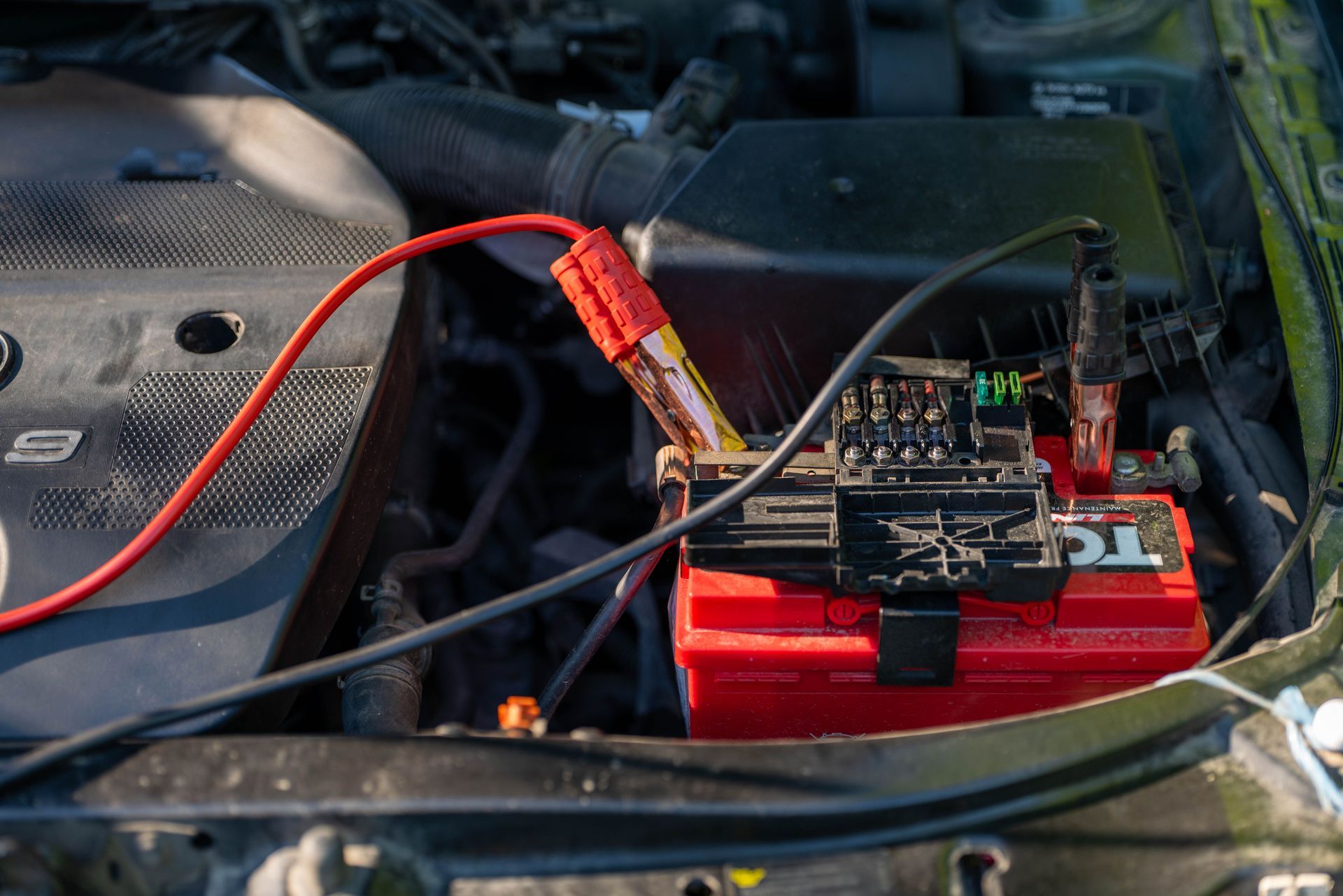
Your Battery Can Be Weak Long Before It Dies
Most people think batteries have only two states:
- Good
- Dead
BMW batteries are more complicated than that.
As battery performance declines, the vehicle may begin disabling certain functions to conserve power.
You may notice:
- Auto start-stop stops working
- Comfort access becomes inconsistent
- Warning messages appear intermittently
- Electrical systems behave strangely
Or you may notice nothing at all.
A battery can be nearing the end of its life while the vehicle still starts normally every day.
Battery testing is one of the simplest ways to identify a potential issue before it becomes an inconvenience.
Fluid Condition Matters Even When Everything Feels Normal
Many vehicle fluids don't suddenly become bad overnight.
They slowly lose their effectiveness over time.
Consider:
- Brake fluid absorbs moisture.
- Coolant loses corrosion protection.
- Transmission fluid breaks down from heat cycles.
- Differential fluid accumulates wear particles.
None of these conditions necessarily change how the vehicle feels during your daily commute.
But over thousands of miles, degraded fluids contribute to increased wear and reduced component life.
This is one reason preventative maintenance remains so important.
You're protecting components long before symptoms appear.
Suspension Wear Is Often Gradual
BMW owners become accustomed to how their vehicle drives.
The change is so gradual that many drivers don't realize suspension components are wearing out.
We frequently inspect vehicles that have:
- Worn control arm bushings
- Aging shocks
- Deteriorating strut mounts
- Excessive suspension play
The owner often says: "I didn't notice anything wrong."
That's because suspension wear typically develops over years, not days.
A professional inspection can identify these issues before they affect tire wear, handling, or ride quality.
Warning Lights Are Not the Beginning of a Problem
Many owners view warning lights as the first sign of trouble.
In reality, warning lights are often the result of a problem that has already existed for some time.
For example:
- A coolant leak may exist before a low coolant warning appears.
- A battery may weaken before electrical warnings begin.
- An oil leak may develop before oil levels become low.
- Suspension wear may occur long before abnormal tire wear is visible.
The warning light is often the vehicle's way of saying: "This issue has progressed far enough that I can no longer ignore it."
That's why waiting for a dashboard warning isn't always the best maintenance strategy.
The Goal Isn't to Repair Everything
When we recommend inspections or preventative maintenance, the goal isn't to find things to sell.
The goal is to understand the vehicle's condition.
A good BMW specialist helps owners answer questions like:
- What needs attention now?
- What should be monitored?
- What can safely wait?
- What repairs will likely be needed in the future?
That information allows owners to plan instead of react.
And planned maintenance is almost always less stressful than unexpected repairs.
The Most Expensive Repairs Often Start as Minor Issues
The reality is that major BMW repairs rarely appear overnight.
They usually begin as:
- Small leaks
- Aging components
- Minor wear
- Preventable maintenance items
When caught early, many of these issues are manageable.
When ignored, they can lead to significantly larger repair bills.
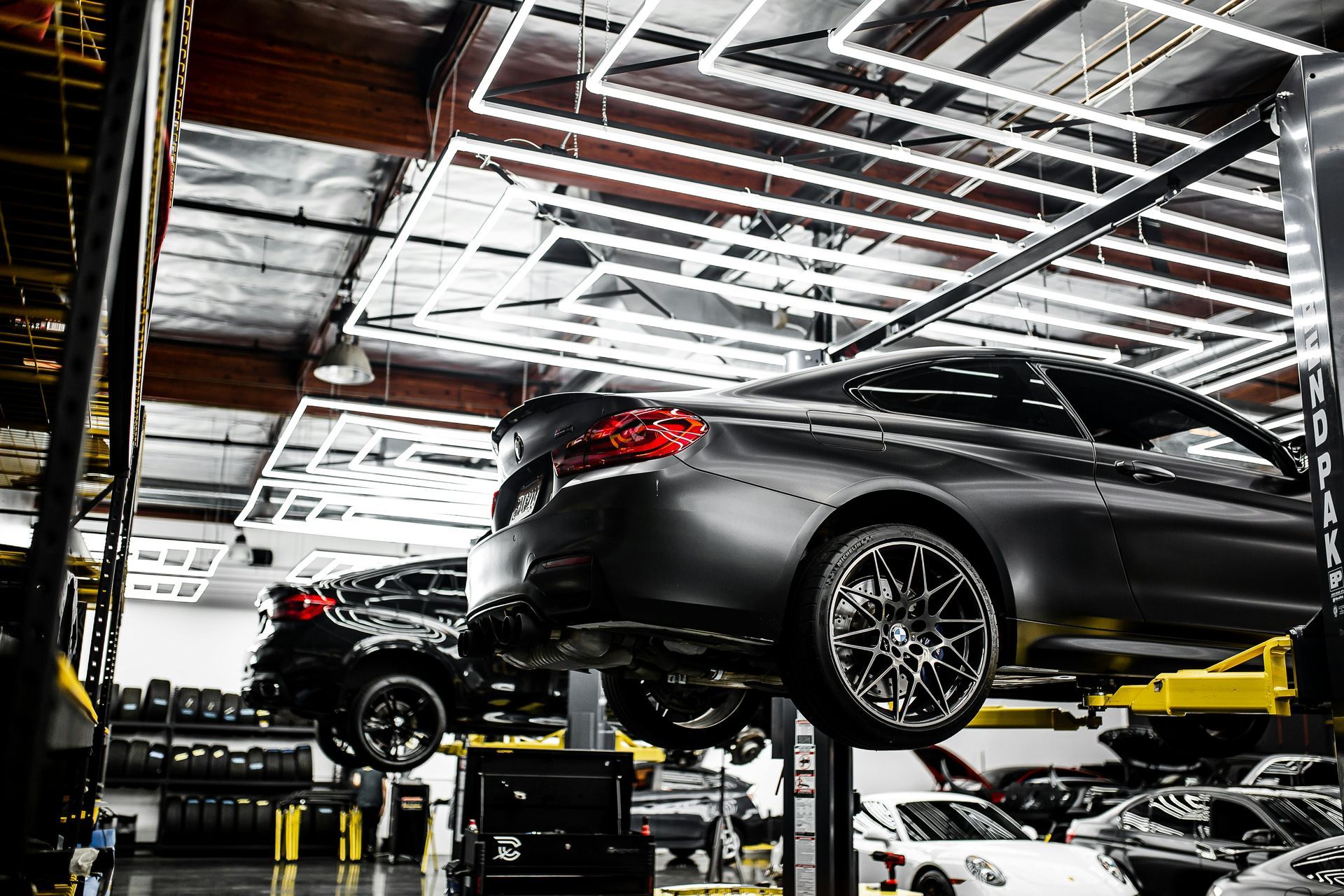
That's why a BMW that drives perfectly may still benefit from a professional inspection and preventative maintenance plan.
Don't Wait for Symptoms
One of the best things about owning a BMW is how refined and capable these vehicles are.
One of the challenges is that they often continue performing well even as problems begin developing beneath the surface.
Waiting until a vehicle drives poorly, leaks heavily, overheats, or displays warning lights often means the issue has progressed further than necessary.
At TMJ Bimmers, we believe the best BMW ownership experience comes from staying ahead of problems rather than reacting to them.
If it's been a while since your BMW has had a comprehensive inspection, or if you've recently purchased a used BMW, a proactive vehicle health
check can help identify potential issues before they become costly repairs.
Because sometimes the BMW that drives perfectly today is the one that benefits most from preventative maintenance.