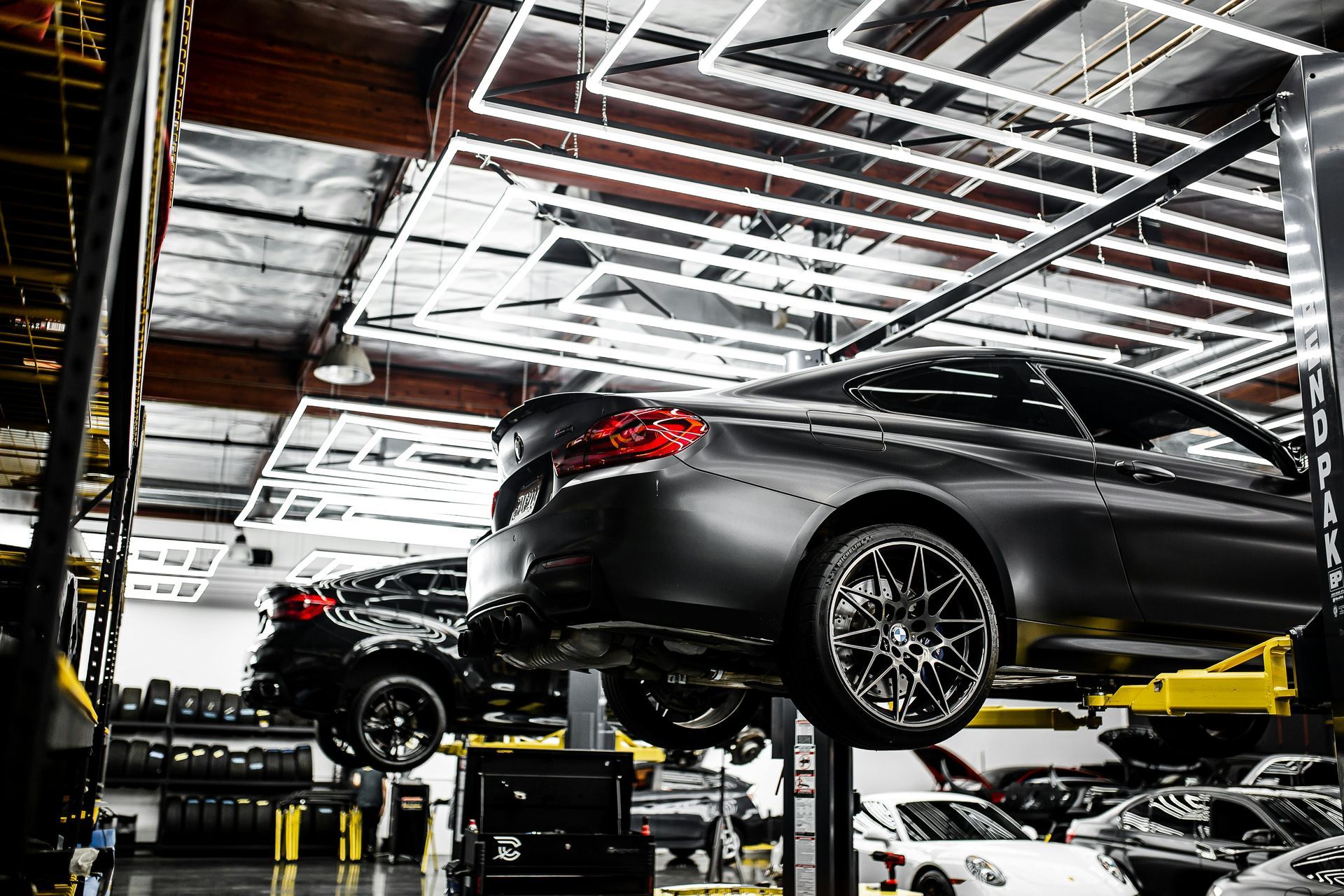
The Importance of Maintenance in the Face of Rising Costs

C Deselle • September 4, 2025

Why Maintaining Your Mercedes Beats Constant Repairs — and How It Compares to Buying New

In 2025, whether you’re filling up at the gas station, shopping for groceries, or scheduling a service appointment, one thing is clear: everything costs more than it used to. For owners of high-end vehicles like Mercedes-Benz, the price jump can feel even sharper. With their advanced engineering, cutting-edge technology, and luxury features, these vehicles are incredible to drive — but they can be expensive to repair when something goes wrong.


At TMJ Bimmers, Houston’s trusted European car repair shop, we specialize in keeping Mercedes vehicles in top shape without the dealership-level price tag. We’ve seen firsthand that the smartest way to fight back against rising automotive costs is proactive, consistent maintenance.

This isn’t just a shop slogan — it’s a financially sound approach backed by real-world examples. In this article, we’ll break down:

  1. Why maintenance is more important than ever in today’s economy.
  2. How the cost of maintaining your Mercedes compares to repairing it after a breakdown.
  3. The financial pros and cons of maintaining your current car versus buying new.
  4. Practical tips to keep your Mercedes performing like new for years to come.


Why Maintenance Matters More in 2025

Mercedes-Benz vehicles are built with exceptional precision — but that precision comes with complexity. As technology advances, cars have become rolling computers, with sensors, modules, and electronics controlling nearly every system. That means when something fails, replacement parts and labor can be costly.


Rising Parts Costs

From advanced LED headlight assemblies to intricate suspension components like AIRMATIC air struts, Mercedes parts have become more expensive due to supply chain changes, increased material costs, and the complexity of the parts themselves.


Specialized Labor

Not every mechanic can work on a Mercedes. These cars require factory-level diagnostic tools, model-specific knowledge, and meticulous attention to detail. Highly trained technicians are worth every penny — but those pennies add up quickly if the work is unplanned.


Unplanned Repairs Hurt Your Wallet More

A simple maintenance service, like changing brake pads, might cost a few hundred dollars if handled on schedule. Delay it too long, and you could face rotor replacement, sensor damage, or caliper issues — easily tripling the bill.


Maintenance vs. Repair: The Cost Reality

Think of your Mercedes like your health — regular checkups cost far less than emergency surgery.

Here’s a side-by-side look at common services for Mercedes-Benz owners in Houston:

Service Proactive Maintenance Cost Deferred Repair Cost
Brake Pads Replacement $350–$500 $1,200+ (pads + rotors + sensors)
Cooling System Service $450–$650 $2,000+ (overheating damage to head gasket/engine)
Synthetic Oil Change (Mercedes spec) $120–$200 $4,000–$8,000 (engine replacement)
Transmission Fluid Service $300–$450 $5,000–$7,000 (transmission rebuild/replacement)
AIRMATIC Suspension Service $450–$700 $2,500–$5,000 (full system failure)

These numbers aren’t scare tactics — they’re what we see in real life at our Houston shop. Skipping maintenance is essentially agreeing to pay more later — often at the worst possible time.


Maintaining vs. Buying New: What Makes More Financial Sense?

When a Mercedes starts needing attention, some owners start wondering: Is it time to just buy a new one?


The Case for Buying New

  • Factory Warranty Peace of Mind: Covers most repairs for the first few years.

  • Newest Features: Updated tech, safety systems, and performance upgrades.

  • Status Factor: Driving the latest model can be appealing.


The reality is this: in 2025, a new Mercedes easily runs $70,000 to $120,000+, depending on the model. Once you factor in sales tax, financing, and the steep cost of insurance, your monthly payment could land anywhere from $1,200 to $1,800 — and that’s before fuel, registration, or routine upkeep. And yes, even brand-new cars still require maintenance, which only adds to the bill.


The Case for Maintaining Your Current Mercedes

  • Lower Yearly Cost: Even with higher-end maintenance, it’s usually a fraction of a new car payment.

  • Avoids Depreciation: New vehicles lose 15–25% of their value in the first year alone.

  • You Know Its History: You’ve been behind the wheel, so you know what’s been done and how it’s been treated.

A well-maintained Mercedes can often reach 200,000 miles or more, continuing to deliver the comfort, performance, and luxury you expect — without the sticker shock.


Quick Math:

  • New Mercedes: $1,200/month × 12 = $14,400/year — and that’s the low end, before factoring in insurance, fuel, registration, or the steep maintenance costs that kick in once the factory warranty expires. In reality, you could easily be spending $15,000–$20,000+ per year just to own and operate one.

  • Maintaining a Mercedes 5–10 Years Old: $2,500–$4,000/year for proactive care.

That’s an $12,500–$16,000 annual savings — money that could easily cover premium fuel, insurance, and even a luxury vacation.


Why Maintenance Always Wins Over Constant Repairs

The key difference between maintenance and repair is simple:

  • Maintenance is planned, budget-friendly, and preventive.

  • Repairs are unexpected, disruptive, and often more expensive.

For example: A minor oil leak from a Mercedes valve cover gasket might cost $450 to fix now. Ignore it, and oil can seep into the ignition coils, damage sensors, and cause misfires — turning a small job into a $2,000+ repair.


Houston-Specific Mercedes Maintenance Challenges

Owning a Mercedes in Houston means dealing with environmental and driving conditions that can accelerate wear:

  • High Heat: Stresses cooling systems, batteries, and rubber components.

  • High Humidity: Can impact electronics and corrode connections over time.

  • Traffic Conditions: Stop-and-go driving puts extra strain on brakes, transmissions, and engines.

At TMJ Bimmers, we adjust maintenance schedules to fit Houston’s climate and road conditions so your Mercedes stays dependable in every season.


Practical Mercedes Maintenance Tips to Save Money

Follow the Factory Maintenance Schedule — and Sometimes Beat It
Heat and traffic justify shorter intervals for oil, coolant, and transmission fluid changes in Houston.

  1. Use Genuine Mercedes or OEM-Equivalent Parts
    They fit right, perform better, and protect your car’s value.

  2. Get Multi-Point Inspections Twice a Year
    A quick check can spot worn bushings, small leaks, and belt issues before they escalate.

  3. Keep Maintenance Records Organized
    This helps resale value and ensures consistent service history.

  4. Don’t Ignore Dashboard Warnings
    Your Mercedes’ onboard diagnostics are extremely advanced — if a light appears, it’s signaling a real issue.


When a Big Repair is Still Worth It

Sometimes, major repairs make more sense than replacing your car. If your Mercedes is in otherwise excellent shape, investing in a new timing chain, suspension overhaul, or even transmission rebuild can give you many more years of enjoyable driving for far less than a new car payment.


The Final Word

In today’s economy, the smartest Mercedes owners aren’t the ones chasing the newest model every few years — they’re the ones who invest in maintenance to keep their car performing like the day they bought it.

At TMJ Bimmers, we’ve built our reputation on helping Houston’s Mercedes-Benz and European car owners extend the life of their vehicles while avoiding the stress and expense of constant repairs. With factory-trained technicians, Mercedes-specific diagnostic tools, and a commitment to quality, we make maintaining your luxury vehicle easier — and more affordable — than you might think.

Your Mercedes is more than a car — it’s an investment in comfort, performance, and style. Protect it with the care it deserves.


By TMJ Bimmers April 20, 2026
Enhance vehicle safety with precise alignments at TMJ Bimmers Euro Auto Repair in Houston, TX. Expert care for optimal performance. Schedule an appointment now!
By TMJ Bimmers March 23, 2026
Discover top-tier Noelle Performance Tuning at TMJ Bimmers Euro Auto Repair in Houston, TX. Enhance your vehicle's performance. Schedule an online appointment now!
By C Deselle March 9, 2026
BMW ownership is about performance, precision engineering, and driving enjoyment. Keeping your BMW running the way it was designed doesn’t always require a full service appointment. Often, it’s the small maintenance habits that make the biggest difference. One of the easiest ways to protect your engine and avoid costly repairs is learning how to properly check and top off your vehicle’s essential fluids. In this guide, TMJ Bimmers walks you through how to safely top off: • Engine oil • Engine coolant • Windshield washer fluid These are simple DIY tasks most BMW owners can handle, as long as they’re done correctly. Why Fluid Levels Matter More on BMWs BMW engines operate at tighter tolerances and higher temperatures than many other vehicles. Modern BMWs rely heavily on precise cooling efficiency, electronic monitoring, and proper lubrication to maintain performance and reliability. Running low on fluids can lead to overheating, premature engine wear, warning lights, reduced efficiency, and expensive repairs that could have been prevented with routine checks. A quick monthly inspection is often all it takes to stay ahead of problems. Topping Off Engine Coolant Why Coolant Is Critical BMW engines run hotter by design to improve efficiency and emissions performance. The cooling system must operate perfectly to regulate temperature. Low coolant levels can quickly cause overheating, one of the fastest ways to damage a BMW engine. Before You Start (!) Only check coolant when the engine is completely cold. Opening the coolant reservoir while hot can release pressurized steam and cause serious burns. Step-by-Step Open the hood. Locate the coolant expansion tank, typically a translucent reservoir with a warning symbol. Check the float indicator or level markings. If low, slowly remove the cap. Add BMW-approved coolant mixed 50/50 with distilled water. Fill only to the MAX indicator and avoid overfilling. Secure the cap tightly. TMJ Bimmers Pro Tips BMW cooling systems are sensitive. If you need to add coolant more than once or twice per year, there is likely a leak that should be professionally inspected. Also, remember to ONLY use distilled water to mix with BMW-approved coolant. Tap water contains minerals that can cause engine corrosion, promote sludge buildup, and damage the cooling system over time. Distilled water ensures the mixture remains pure, preventing these issues. Checking and Topping Off Engine Oil BMW Oil Systems Are Different Many modern BMW models no longer include a physical dipstick. Oil level is measured electronically through the vehicle’s onboard system. How to Check Oil Level Park on level ground. Bring the engine to operating temperature. Navigate through iDrive to Vehicle Status and select Engine Oil Level. Run the measurement process. If Oil Is Low Locate the oil filler cap on top of the engine. Remove the cap carefully. Add BMW-approved synthetic oil slowly. Add small amounts, about half a quart at a time. Recheck the level electronically. Overfilling oil can be just as harmful as running low, so add gradually. TMJ Bimmers Recommendation for BMW-Specific Oil BMW periodically updates its engine oil approval standards to match evolving engine designs, emissions requirements, fuel quality, service intervals, and operating conditions. These specifications are identified by BMW “Approval” codes that generally correspond with newer generations of BMW engines. BMW Approval standards are different from oil viscosity. Multiple viscosity grades may meet the same BMW approval. The approval code simply confirms that the oil meets BMW’s required performance specifications for the engine it is used in. To determine the correct oil specification for your specific BMW, refer to your owner’s manual or BMW’s official Owner’s Guide at https://www.bmwusa.com/owners-manuals.html . We always recommend using engine oil that meets the correct BMW Approval specification for your vehicle. Topping Off Windshield Washer Fluid Why It Matters Washer fluid may seem minor, but it plays an important safety role, especially during winter driving, highway travel, and dirty road conditions. Many BMW models also use washer fluid for headlight cleaning systems. Steps Locate the washer fluid reservoir with the blue cap showing a windshield symbol. Open the cap. Pour washer fluid directly into the reservoir. Fill until nearly full. Use the Right Fluid Avoid using plain water. Proper washer fluid prevents freezing, removes grime effectively, and protects the washer pump and system components. How Often Should You Check Fluids? TMJ Bimmers recommends checking fluid levels: • Once per month • Before long road trips • When dashboard warnings appear • During seasonal changes, especially winter The entire process takes less than five minutes and can prevent major repairs. Warning Signs You Should Not DIY Topping off fluids is maintenance, not repair. Schedule professional service if you notice frequent coolant warnings, rapid oil loss, fluid smells from the engine bay, visible leaks, overheating alerts, or white smoke from the exhaust. These symptoms usually indicate an underlying issue requiring proper diagnosis. DIY When You Want, Expert Help When You Need It At TMJ Bimmers, we believe educated BMW owners make better maintenance decisions. Learning basic upkeep like fluid checks helps you understand your vehicle and avoid preventable damage. When something doesn’t seem right, or if you simply prefer professional service, our BMW-focused technicians provide dealership-level expertise without dealership pricing. We use factory-approved fluids and procedures designed specifically for BMW vehicles. Need Help With BMW Maintenance? Whether you maintain your BMW yourself or prefer expert service, TMJ Bimmers is your trusted resource for oil services, cooling system inspections, leak diagnosis, preventative maintenance, and long-term reliability care.  Contact TMJ Bimmers today to keep your BMW running exactly as it was engineered to perform.
By TMJ Bimmers February 24, 2026
Keep cool with expert air conditioning service in Houston at TMJ Bimmers Euro Auto Repair. Trust our skilled team for all your auto AC needs! Schedule online today.
By TMJ Bimmers January 30, 2026
Discover premier xHP transmission tuning in Houston at TMJ Bimmers. Optimize your vehicle's performance today. Visit us now!
By C Deselle December 16, 2025
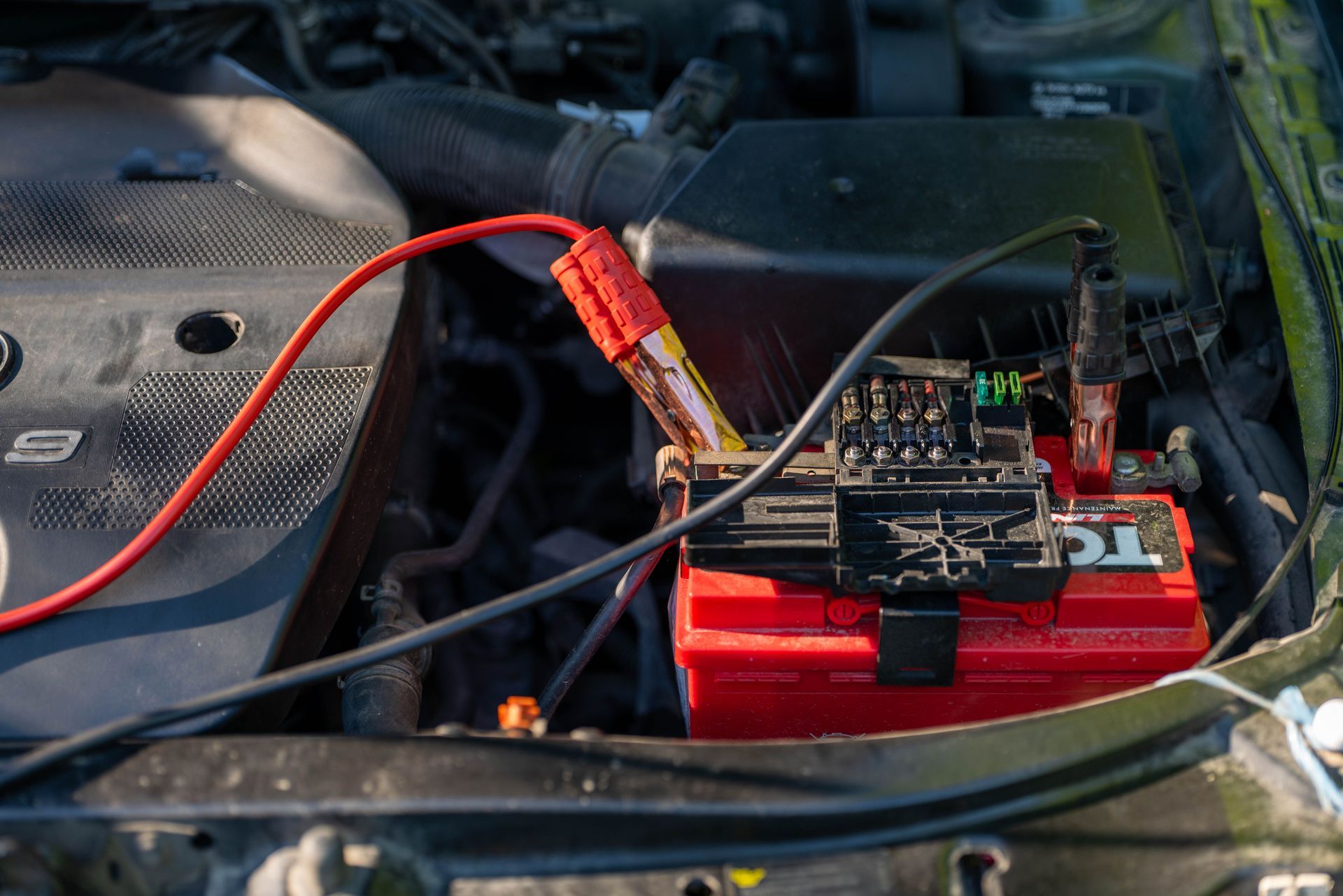
If your BMW is showing slow cranking, random electrical faults, or battery warning messages, you might be thinking it’s time for a new battery. And while replacing a BMW battery is absolutely something you can do at home, there are several steps many DIYers overlook—steps that can make the difference between a flawless repair and ongoing electrical headaches. This guide walks you through how to diagnose the issue, choose the right type of battery, replace it correctly, and understand the most important final step: battery registration.  Make Sure You Actually Need a New Battery Before rushing to buy a new battery, you should confirm that your BMW’s battery is truly the problem. BMW electrical systems are sophisticated, and issues can come from: A failing alternator A weak voltage regulator A bad IBS sensor (Intelligent Battery Sensor) Loose or corroded battery terminals A dying secondary battery (common on newer models) Signs often overlap, so the safest approach is to test the system: Measure battery voltage after sitting overnight Check charging voltage with the engine running Look for alternator fault codes Inspect for parasitic draws If your alternator is failing, a new battery won’t solve the problem—and may die again within weeks. Know That Many Newer BMWs Have Two Batteries This is something many DIYers don’t know: some BMWs, especially modern M cars, 7-series, hybrids, and vehicles with the auto start/stop function, have two batteries . One is the main battery, and the other is often a: Auxiliary battery Starter battery Backup power supply for stability control or electronic modules If the smaller auxiliary battery fails, your car may show battery warnings even though the main battery is healthy. Make sure you diagnose the right one before spending money. Only Use OE or AGM Batteries BMWs are extremely sensitive to battery type. Using a cheap aftermarket battery is one of the fastest ways to trigger electrical issues. Always choose: OE BMW batteries , or High-quality AGM (Absorbent Glass Mat) batteries from reputable brands like Exide, Varta, or Bosch Why AGM? Because BMW charging systems—especially those with brake regeneration and start/stop—are designed for batteries that can handle deep cycling and higher electrical demands. Avoid low-cost batteries at big box stores. They often do not meet BMW’s required specs and fail prematurely. How to Replace Your BMW Battery (DIY Steps) Replacing the battery is straightforward if you take your time. Here’s how to do it safely. Step 1: Locate the Battery Most BMWs have the battery: In the trunk, under the floor Under a side panel Under the rear seat (less common) Step 2: Prepare the Vehicle Turn everything off. Remove the key from the vehicle. Leave the doors unlocked to avoid getting locked out. Step 3: Disconnect the Old Battery Always disconnect in this order: Negative terminal Positive terminal Unbolt the battery hold-down bracket. Step 4: Remove the Battery BMW batteries are heavy—use proper lifting technique. Step 5: Install the New Battery Place it in the same orientation, secure it tightly, and reconnect terminals in reverse order: Positive Negative Step 6: Double-Check All Connections Loose terminals cause more BMW electrical issues than bad batteries do. At this point, the physical job is done. But the process is not complete. The Most Important Step: Battery Registration (Requires a Professional) Every BMW built in the past 15+ years requires battery registration whenever a battery is replaced. This is not optional and is the single biggest mistake DIYers make. What Battery Registration Is Your BMW tracks the battery’s age, health, charging cycles, voltage history, temperature exposure, and internal resistance. When you install a new battery, the car still thinks the old battery is installed unless you reset this data. Battery registration tells the vehicle: A new battery has been installed What its capacity is (Ah rating) Whether it’s AGM or standard How to adjust the alternator’s charging strategy Why Battery Registration Is Required BMWs use intelligent charging systems designed to extend battery life and optimize performance. The vehicle adjusts alternator output based on the age of the battery. Without battery registration: The alternator may overcharge the new battery The car may use the wrong charging profile Your new battery may be damaged within months Electrical modules may behave unpredictably IBS (Intelligent Battery Sensor) errors may appear Auto start/stop may malfunction You may see random warning lights or faults Skipping this step is one of the leading causes of premature BMW battery failure. What Happens If You Don’t Register the Battery You may experience: Faster battery degradation Alternator errors Overheating or undercharging Drivetrain or chassis stabilization warnings “Increased battery discharge” messages Interior electronics flickering or rebooting Start/stop system shutting off Multiple electrical module faults It doesn’t happen immediately, but it happens. Can You Do Battery Registration at Home? Not with generic OBD scanners. You need BMW-specific tools such as: ISTA+ (factory BMW software) Autologic Autel with BMW modules Launch X431 with BMW coding Foxwell NT510/530 BMW version This is why most DIYers replace the battery at home and then drive to a BMW specialist for the final step. Why You Should Trust a BMW Specialist Like TMJ Bimmers At TMJ Bimmers we will help you: Test and confirm the battery is actually the issue Identify whether your model has one or two batteries Ensure you buy the correct type and capacity Install the battery properly Register the battery using factory-level software Verify the alternator and IBS sensor are functioning Clear related fault codes Battery registration takes only a few minutes but prevents months of electrical issues.
By C Deselle November 28, 2025
When it comes to keeping your BMW running at its best, nothing is more important than regular oil services. Engine oil is the lifeblood of your BMW — it keeps all those precision-engineered parts lubricated, cool, and clean.
By TMJ Bimmers October 17, 2025
Elevate your driving experience with Noelle Performance Tuning at TMJ Bimmers Euro Auto Repair in Houston, TX. Enhance power & efficiency. Visit us today!
By C Deselle October 5, 2025
Buying your first Mercedes-Benz is a milestone. The star on the hood is more than just a badge—it represents over a century of innovation, engineering, and luxury. The first time you close the solid, precise-feeling door, or glide down the highway with barely a whisper of road noise, you know you’re driving something special. But along with the excitement of ownership comes responsibility. A Mercedes isn’t just another car you fuel up and forget about. It’s a finely tuned machine, and like any machine built with precision, it needs proper care. Many first-time owners make the mistake of treating their Mercedes like any other vehicle, only to face big repair bills later. At TMJ Bimmers , we see this story all the time in Houston. A customer buys their dream Mercedes—maybe a C-Class sedan, maybe a GLE SUV for the family, maybe even the flagship S-Class. For the first year or two, everything feels perfect. Then, small issues begin to creep in: a warning light here, a rough idle there, a squeak in the brakes. Suddenly, the dream car feels more like a burden. The truth? Most of those headaches can be avoided with the right knowledge and maintenance. That’s why we’ve put together this guide—so first-time Mercedes owners in Houston can enjoy the experience without the stress. What Makes Mercedes Ownership Different The first thing to understand is that a Mercedes isn’t like the typical car you may have owned before. These vehicles are engineered with tighter tolerances, more advanced electronics, and more specialized materials. That means two things: The driving experience is unmatched. Few cars balance comfort, performance, and technology the way a Mercedes does. Neglect is expensive. Skip maintenance, and the systems that make your Mercedes so enjoyable can quickly turn into your biggest headache. Think of it like owning a luxury watch or a high-performance laptop. It delivers more—but it also requires more from you as an owner. The Mercedes Service Schedule: Service A & Service B If you’re new to Mercedes ownership, you’ve probably heard of Service A and Service B . This is Mercedes-Benz’s structured approach to maintenance. Instead of guessing what your car needs, Mercedes has a rotating plan to ensure everything gets attention at the right time. Service A usually comes at about 10,000 miles or 1 year. It’s the “basic” service: an oil change with synthetic oil, filter replacement, brake system check, tire inspection, and fluid top-offs. Think of it as your annual checkup. Service B happens around 20,000 miles or 2 years. It includes everything from Service A, but goes deeper: replacing the cabin air filter, flushing brake fluid, and more thorough inspections of suspension and electronics. These services repeat throughout your car’s life. If you keep up with them, your Mercedes will thank you with years of smooth performance. Skip them, and things wear out much faster than you’d expect. The Heart of the Matter: Oil and Fluids One of the first surprises new Mercedes owners face is just how picky these cars can be about oil and fluids. Unlike many mainstream cars that can run on different types of oil, Mercedes requires full-synthetic oil that meets their specific standards . It’s not about being fancy for the sake of it—it’s about protecting the engine. Mercedes engines often use turbochargers, direct injection, and other performance technologies that put higher demands on oil. The wrong oil can break down too quickly or leave deposits that damage the engine. The same goes for transmission fluid, coolant, and even windshield washer fluid. Using generic products might save a few dollars now, but it can create expensive problems later. At TMJ Bimmers, we only use OEM-approved fluids because we’ve seen firsthand how much of a difference it makes in longevity. Brakes: More Than Just Pads and Rotors Mercedes-Benz vehicles are built to stop as well as they go. Their brake systems are powerful, but they’re also more sensitive than many cars. For example, Mercedes recommends flushing brake fluid every two years, regardless of mileage. This is something many first-time owners don’t know. They’ll replace pads and rotors when they wear out, but they ignore the fluid. Over time, brake fluid absorbs moisture, which reduces braking power and corrodes internal components. Neglecting it can lead to failures in the ABS system—a repair that can cost thousands. The lesson? With a Mercedes, brake maintenance isn’t optional. It’s an essential part of keeping your car safe. Tires: The Foundation of Performance When you take your Mercedes out on Houston’s highways, you’ll notice how solid and stable it feels. That confidence comes largely from your tires. Many Mercedes models use performance tires or run-flat tires designed for grip and precision. But there’s a trade-off: they wear faster. Where a typical tire might last 50,000 miles, Mercedes tires may need replacing closer to 30,000, depending on how you drive. For new owners, this can be an unwelcome surprise. That’s why it’s important to: Check tire pressure monthly (heat and cooler temps cause fluctuations). Rotate your tires regularly. Inspect for uneven wear—if you see it, you may need an alignment. Think of tires as part of your Mercedes’ performance package. Treat them well, and your car will handle like it was designed to. Electronics: The Hidden Complexity One of the joys of owning a Mercedes is the technology: adaptive cruise control, lane-keeping systems, advanced infotainment, and countless sensors working behind the scenes. But with great technology comes… warning lights. Lots of them. A weak battery, for example, might not just cause slow starts. It could trigger multiple warning lights across your dashboard. That’s because modern Mercedes vehicles rely heavily on electronic communication between systems. For first-time owners, this can be intimidating. A single light might make it seem like the whole car is falling apart. The truth is usually simpler—but it requires the right diagnostic tools to pinpoint. That’s where having a trusted Mercedes specialist like TMJ Bimmers matters. We use factory-level diagnostics to get to the root of the issue quickly, instead of throwing parts at the problem. Common Mistakes First-Time Mercedes Owners Make We’ve worked with countless Mercedes owners in Houston, and we’ve noticed some common patterns among first-timers: They treat it like a regular car and delay Service A or B. They go to general repair shops or quick lube oil change places that don’t understand Mercedes requirements. They ignore small warning lights , which grow into big problems. They buy cheap aftermarket parts to save money, only to replace them again when they fail early. They forget about transmission service , assuming it’s “lifetime fluid.” (It’s not.) Avoiding these mistakes will save you thousands over the life of the car. What Maintenance Looks Like Over Time Let’s zoom out and look at a typical Mercedes maintenance journey for a new owner: Year 1 (Service A): Synthetic oil, brake inspection, fluids. Year 2 (Service B): Brake fluid flush, cabin air filter, deeper inspections. Year 3–4: Transmission fluid and filter service, spark plugs on certain models. Year 5+: Coolant flush, engine air filter, belts and pulleys. It’s a rhythm, and once you understand it, it’s easy to plan for. Think of it as a health plan for your car—checkups that keep small issues from turning into big ones. Houston-Specific Ownership Tips Owning a Mercedes in Houston adds a few extra layers: Heat: Our summers are brutal. Heat shortens battery life, dries out rubber, and stresses the cooling system. Test your battery and hoses every fall. Traffic: Stop-and-go driving wears brakes and tires faster. Don’t be surprised if they need replacing sooner than the manual suggests. Rain & Humidity: Electronics don’t love moisture. Make sure seals and drains are clear to prevent leaks into sensitive areas. Holiday Road Trips: If you’re planning to head north for the holidays, have a pre-trip inspection. Cold climates bring challenges Houston drivers aren’t used to, like road salt and freezing temps. Cost of Ownership: Setting Expectations Here’s another question we hear often: “How much does it cost to maintain a Mercedes?” The honest answer: more than a Honda, less than most people fear—if you maintain it properly. Oil changes: $150–$250 Service A: $250–$400 Service B: $400–$600 Brake jobs: $500–$900 depending on model Transmission service: $300–$600 Yes, it’s an investment. But consider this: by maintaining your Mercedes, you preserve its value, avoid breakdowns, and enjoy a driving experience no mainstream car can match. Why TMJ Bimmers Is the Right Partner for Your Mercedes If you’re a first-time Mercedes owner in Houston, you don’t just need a mechanic—you need a specialist who understands European cars inside and out. At TMJ Bimmers, we: Use OEM-quality parts and fluids so your car performs as it should. Have factory-level diagnostics to decode even the trickiest warning lights. Offer personalized service at competitive rates—no dealership runaround. Care about your experience as much as your car’s performance. We’ve built our reputation on helping European car owners protect their investment while keeping maintenance approachable and stress-free. Our Final Thoughts Owning your first Mercedes should be exciting, not overwhelming. Yes, these cars require a little more attention than your average vehicle—but that’s because they’re capable of so much more. Treat your Mercedes like the precision machine it is. Stay on top of Service A and Service B. Use the right fluids and parts. Pay attention to the little things before they become big. And most importantly, work with a shop that knows Mercedes. Do that, and you’ll enjoy everything that makes the three-pointed star so iconic: performance, safety, comfort, and style that never gets old. Ready to Care for Your Mercedes the Right Way? If you’re a first-time Mercedes owner in Houston, TMJ Bimmers is here to guide you every step of the way. Whether it’s your first Service A or a major repair, our team has the tools, training, and passion to keep your Mercedes running like new. 📞 Call us today 📍 Visit us in Houston 🌐 tmjbimmers.com Your dream car deserves expert care. At TMJ Bimmers, that’s exactly what you’ll get.
By TMJ Bimmers September 19, 2025
Ensure your vehicle's AC is running efficiently with TMJ Bimmers Euro Auto Repair in Houston. Expert service and maintenance. Visit us today!
More Posts