What Every Used BMW Owner Should Do During Their First Year of Ownership
Buying a used BMW can be one of the smartest automotive decisions you make.
You get the engineering, performance, luxury, and driving experience that made the vehicle desirable when it was new—often for a fraction of its original price. Whether you purchased a 3 Series, X5, M340i, X3, or another BMW model, there's a good chance you're getting a lot of car for your money.
But there's one mistake we see repeatedly at TMJ Bimmers.
Many used BMW owners assume that because the vehicle looks good, drives well, and doesn't have any warning lights, everything is fine.
Unfortunately, that's not always the case.
The first year of ownership is the most important period for establishing a maintenance baseline and identifying issues before they become expensive repairs. A little attention early on can save thousands of dollars and significantly improve the reliability of your BMW for years to come.
Here are the most important things every used BMW owner should do during their first year of ownership.
Start With a Comprehensive Pre Purchase Vehicle Inspection
Even if the previous owner provided maintenance records, it's important to have the vehicle thoroughly inspected by a BMW specialist.
Many BMW problems develop gradually. Small oil leaks, aging cooling system components, worn suspension parts, and deteriorating gaskets often go unnoticed by owners because the vehicle still drives normally.
A professional inspection can help identify:
- Oil leaks
- Coolant leaks
- Suspension wear
- Brake system condition
- Tire wear issues
- Battery health
- Fluid condition
- Maintenance items approaching replacement intervals
The goal isn't to find problems for the sake of finding problems. The goal is to understand exactly where your BMW stands today so you can plan for tomorrow.
Think of it as creating a roadmap for ownership.
Establish a Maintenance Baseline
One of the biggest challenges with used vehicles is uncertainty.
You may have maintenance records. You may not.
You may know when the oil was changed. You may not know whether the transmission fluid has ever been serviced.
Rather than guessing, establish a maintenance baseline.
Depending on mileage and service history, consider evaluating:
- Engine oil and filter
- Cabin air filter
- Engine air filter
- Brake fluid
- Coolant condition
- Transmission fluid
- Differential fluid
- Transfer case fluid (if equipped)
Many BMW owners are surprised to learn that fluids marketed as "lifetime fluids" often benefit from replacement long before the vehicle reaches high mileage.
Creating a known starting point helps eliminate uncertainty and gives you confidence moving forward.
Don't Ignore Small Oil Leaks
BMW engines are known for developing oil leaks as they age.
Common leak sources include:
- Valve cover gaskets
- Oil filter housing gaskets
- Oil pan gaskets
- Turbo oil lines
The mistake many owners make is waiting until they see oil on the driveway.
Modern BMWs use extensive underbody panels and splash shields that can catch and conceal leaking oil. In many cases, oil leaks can exist for months before they become visible from outside the vehicle.
Small leaks can eventually contaminate rubber components, belts, cooling hoses, and other nearby parts.
Addressing a leak early is often significantly less expensive than waiting for it to worsen.
Pay Close Attention to the Cooling System
If there is one system that deserves extra attention during your first year of BMW ownership, it's the cooling system.
Many BMW engines rely on components that naturally wear with age, including:
- Electric water pumps
- Thermostats
- Expansion tanks
- Coolant hoses
- Plastic cooling system fittings
Cooling system failures often happen suddenly.
A vehicle that runs perfectly one day can experience a cooling system failure the next.
Watch for:
- Coolant warnings
- Low coolant messages
- Sweet smells from the engine bay
- Visible coolant residue
- Rising engine temperatures
Preventative maintenance is almost always less expensive than repairing an overheated engine.
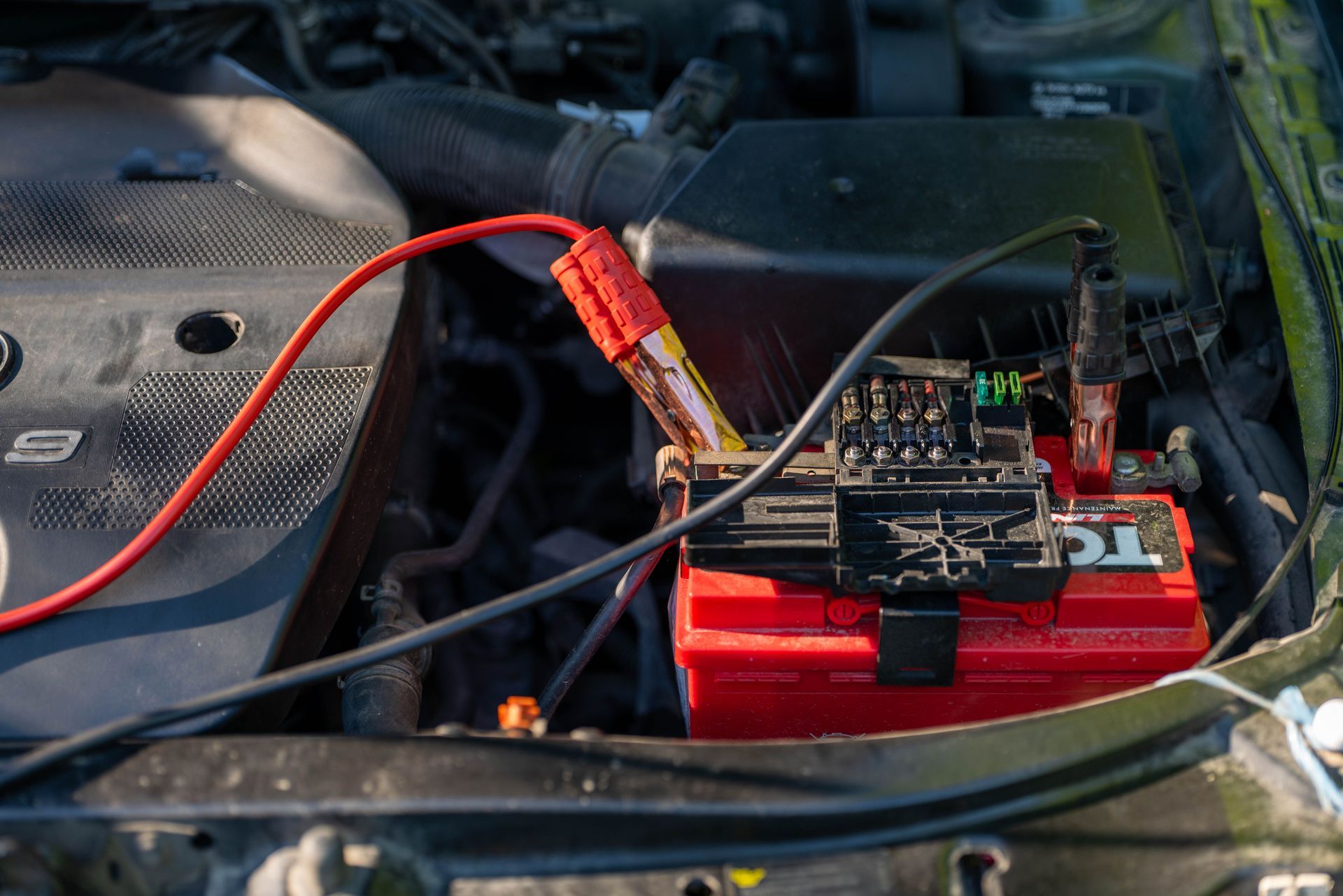
Check the Battery's Age
BMW batteries do much more than start the vehicle.
Modern BMWs rely on battery health to support dozens of electronic systems, including:
- Comfort access
- Auto start-stop
- Electronic steering systems
- Climate control
- Driver assistance features
- Vehicle communication modules
As batteries age, strange symptoms can appear:
- Multiple warning lights
- Intermittent electronic faults
- Reduced system functionality
- Start-stop system failures
Many owners assume these symptoms indicate major repairs when the root cause is simply a weak battery.
Knowing the battery's age and condition early in ownership can prevent unnecessary frustration.
Learn What Your Warning Lights Actually Mean
One of the biggest mistakes new BMW owners make is treating all warning lights the same.
Some warnings indicate maintenance items that should be scheduled soon.
Others indicate problems that require immediate attention.
Understanding the difference can prevent unnecessary stress while also helping you avoid costly damage.
If a warning appears and you're unsure what it means, don't ignore it and don't guess.
Have it properly diagnosed.
A simple fault code today may prevent a much larger repair tomorrow.
Monitor Tire Wear Carefully
BMW suspension systems are designed for handling performance, but they can be sensitive to alignment issues and worn suspension components.
Uneven tire wear may indicate:
- Alignment issues
- Worn control arm bushings
- Suspension wear
- Incorrect tire pressure
Tires often tell a story about what's happening underneath the vehicle.
Regular inspections can reveal issues before they affect ride quality, safety, or tire life.
Build a Relationship With a BMW Specialist
One of the smartest things you can do during your first year of ownership has nothing to do with parts or repairs.
Find a BMW specialist you trust.
BMWs are sophisticated vehicles that benefit from technicians who understand their unique systems, maintenance requirements, and common
failure points.
An experienced BMW specialist can help you:
- Prioritize repairs
- Plan maintenance budgets
- Monitor developing issues
- Avoid unnecessary repairs
- Maximize vehicle reliability
The right shop becomes a long-term partner in your ownership experience.
The First Year Sets the Tone for Everything That Follows
The first year of used BMW ownership isn't about fixing everything.
It's about understanding what you own.
The owners who enjoy the best long-term BMW experience are usually the ones who establish a maintenance baseline early, address small issues before they become major repairs, and stay proactive rather than reactive.
BMWs reward informed ownership.
When maintained properly, they can deliver years of outstanding performance, comfort, and driving enjoyment.
At TMJ Bimmers, we help BMW owners understand the condition of their vehicles, identify potential issues before they become major problems, and develop maintenance plans that make ownership more predictable and enjoyable.
If you've recently purchased a used BMW, scheduling a comprehensive inspection is one of the best investments you can make in your vehicle's future.