
The Most Common Issues Porsche Owners Deal With: What You Need to Know
C Deselle • December 20, 2024
Owning a Porsche is often seen as the pinnacle of automotive passion, a fusion of engineering excellence and driving excitement. However, like all high-performance vehicles, Porsches are not immune to mechanical problems, and understanding the issues your car may face is essential to maintaining its peak performance.
IMS Bearing Failure (Intermediate Shaft Bearing)
If you own a Porsche built before 2009, particularly a 911, Boxster, or Cayman, you’ve likely heard about IMS bearing failure. The intermediate shaft bearing is an integral part of the engine that drives the camshaft. When it fails, it can lead to catastrophic engine damage. This issue is widely recognized in the Porsche community because of its potential severity. Failure can cause total engine destruction, turning a minor repair into a costly rebuild or replacement.
Rear Main Seal (RMS) Oil Leaks
Porsche’s horizontally opposed (or flat) engines, while brilliantly engineered, are prone to a specific problem: rear main seal (RMS) oil leaks. This issue often affects the early water-cooled 996 and 997 911 models. The RMS sits between the engine and transmission and, over time, can degrade and start leaking oil. Left unaddressed, this can lead to more significant engine problems, such as oil starvation and internal wear.
Coolant System Leaks
Porsches, particularly the 996 and 997 models, can suffer from coolant system issues. Over time, coolant hoses and pipes can crack or degrade, and water pumps may fail. If your Porsche loses coolant, the engine can overheat, leading to further complications, including warped heads or other engine damage.
Air-Oil Separator (AOS) Failure
Porsche’s flat-six engines are prone to another issue: air-oil separator (AOS) failure. The AOS is responsible for separating oil from the engine’s crankcase vapors before they’re recirculated through the intake. When this part fails, oil can enter the intake, leading to increased oil consumption and even engine misfires. In severe cases, it can cause blue smoke to emit from the exhaust—never a welcome sight for any Porsche owner.
Brakes and Rotors
Performance cars like Porsche are known for their exceptional braking systems, but with that power comes wear and tear. If you drive your Porsche the way it was meant to be driven—spiritedly or on the track—you’ll likely experience faster brake pad and rotor wear. Squealing brakes or vibrations during braking are telltale signs that it’s time for a brake service.
Suspension Wear
Porsches are renowned for their precise handling, thanks in part to their well-tuned suspension systems. Over time, though, suspension components such as bushings, shocks, and control arms can wear out. This is especially true if your car regularly encounters rough roads or is driven aggressively. Suspension wear can lead to a rougher ride, uneven tire wear, and diminished handling performance.
Electrical Problems
As modern Porsches have become increasingly advanced with features like infotainment systems and electronic driver aids, the risk of electrical issues has grown. Problems can range from a drained battery to malfunctioning electronics or faulty sensors. While these issues may not directly affect your car’s mechanical performance, they can be frustrating and sometimes difficult to diagnose.
Exhaust System Issues
Porsche’s exhaust systems are finely tuned for both performance and sound, but over time, parts like the mufflers or catalytic converters can develop cracks, rust, or wear out. This is especially common in older Porsche models. Not only can this lead to increased exhaust noise, but it can also reduce engine efficiency and trigger check engine lights.
Transmission Issues (PDK and Tiptronic)
Porsche’s dual-clutch PDK and automatic Tiptronic transmissions are praised for their smooth operation and quick shifts, but they can develop problems over time. Common issues include hard shifts, slipping, or failure to engage gears. These problems can be caused by low transmission fluid, worn clutches, or faulty sensors.
Timing Chain Tensioner Problems
Timing chain tensioner issues are another problem that can plague Porsche owners, particularly in older models. A failing tensioner can lead to improper timing, which affects engine performance and can cause severe internal damage if not addressed.
Fuel Injector Problems
Fuel injectors can become clogged or fail over time, leading to poor engine performance, rough idling, or reduced fuel efficiency. This is especially common in high-mileage Porsches. Faulty injectors can also cause misfires and trigger the check engine light.
Keeping Your Porsche in Peak Condition
While these are some of the most common issues Porsche owners face, the good news is that regular maintenance can prevent many of these problems from becoming costly repairs. Being proactive with routine inspections, keeping an eye on fluid levels, and addressing any unusual noises or symptoms early can save you time and money in the long run.
At TMJ BImmers, we specialize in addressing these common issues and keeping your Porsche performing at its best. Whether you’re dealing with an IMS bearing concern, need a brake overhaul, or simply want a thorough inspection to catch potential problems, we’re here to help. Reach out to us today to schedule an appointment—your Porsche deserves expert care!
In this article, we’ll dive into some of the most common mechanical issues Porsche owners experience. Whether you own a classic 911, a sleek Cayman, or a sporty Macan, staying informed about potential problems can help you avoid costly repairs and keep your Porsche performing as it should.
If you own a Porsche built before 2009, particularly a 911, Boxster, or Cayman, you’ve likely heard about IMS bearing failure. The intermediate shaft bearing is an integral part of the engine that drives the camshaft. When it fails, it can lead to catastrophic engine damage. This issue is widely recognized in the Porsche community because of its potential severity. Failure can cause total engine destruction, turning a minor repair into a costly rebuild or replacement.
Prevention and Solution: Many Porsche owners opt for preventative IMS bearing replacements, especially in pre-2009 models. Aftermarket solutions have been developed to replace the faulty bearings with more durable ones. If you own an older Porsche, it’s wise to have your car inspected for signs of IMS bearing wear, such as metal shavings in the oil. Addressing this early can save you from much more expensive repairs down the line.
Porsche’s horizontally opposed (or flat) engines, while brilliantly engineered, are prone to a specific problem: rear main seal (RMS) oil leaks. This issue often affects the early water-cooled 996 and 997 911 models. The RMS sits between the engine and transmission and, over time, can degrade and start leaking oil. Left unaddressed, this can lead to more significant engine problems, such as oil starvation and internal wear.
What to Look For: If you notice oil spots under your car or an unusual drop in oil levels, it could be due to an RMS leak. While it may not be an immediate emergency, it’s crucial to address the issue before the leak becomes more serious. Replacing the RMS requires removing the transmission, so it’s best to tackle it in combination with other major services, like clutch replacement.
Porsches, particularly the 996 and 997 models, can suffer from coolant system issues. Over time, coolant hoses and pipes can crack or degrade, and water pumps may fail. If your Porsche loses coolant, the engine can overheat, leading to further complications, including warped heads or other engine damage.
Warning Signs: The first sign of trouble is often the low coolant warning light on the dashboard. You might also notice coolant puddles under the car or experience engine overheating. Regular maintenance checks can help you spot these problems early, allowing for timely repairs. Water pumps typically last around 60,000 to 80,000 miles, so replacing them preventatively is a smart move.
Porsche’s flat-six engines are prone to another issue: air-oil separator (AOS) failure. The AOS is responsible for separating oil from the engine’s crankcase vapors before they’re recirculated through the intake. When this part fails, oil can enter the intake, leading to increased oil consumption and even engine misfires. In severe cases, it can cause blue smoke to emit from the exhaust—never a welcome sight for any Porsche owner.
How to Address It: If you experience blue smoke from the exhaust, excessive oil consumption, or a check engine light, it’s likely your AOS needs replacing. This isn’t a repair you want to delay, as continued driving with a faulty AOS can result in further engine damage. Fortunately, this part isn’t overly expensive, but it does require disassembly of engine components to access.
Performance cars like Porsche are known for their exceptional braking systems, but with that power comes wear and tear. If you drive your Porsche the way it was meant to be driven—spiritedly or on the track—you’ll likely experience faster brake pad and rotor wear. Squealing brakes or vibrations during braking are telltale signs that it’s time for a brake service.
Keeping Your Brakes in Top Shape: Regular brake inspections and maintenance are critical. If you notice any change in braking performance or noise, it’s time to have your brake pads and rotors checked. For drivers who frequently track their cars, upgrading to high-performance brake pads and rotors might be a good investment to withstand the additional stress.
Porsches are renowned for their precise handling, thanks in part to their well-tuned suspension systems. Over time, though, suspension components such as bushings, shocks, and control arms can wear out. This is especially true if your car regularly encounters rough roads or is driven aggressively. Suspension wear can lead to a rougher ride, uneven tire wear, and diminished handling performance.
When to Act: If you hear clunking sounds when going over bumps or notice a decrease in ride comfort, it’s likely time to have your suspension inspected. Maintaining the suspension system ensures that your Porsche continues to deliver the handling performance it’s known for.
As modern Porsches have become increasingly advanced with features like infotainment systems and electronic driver aids, the risk of electrical issues has grown. Problems can range from a drained battery to malfunctioning electronics or faulty sensors. While these issues may not directly affect your car’s mechanical performance, they can be frustrating and sometimes difficult to diagnose.
Diagnosing Electrical Glitches: If you experience any dashboard warning lights, dead batteries, or unresponsive electronics, the issue may lie within the electrical system. It’s always a good idea to run a diagnostic check if you suspect an electrical issue, as they can be tricky to pinpoint without specialized equipment.
Porsche’s exhaust systems are finely tuned for both performance and sound, but over time, parts like the mufflers or catalytic converters can develop cracks, rust, or wear out. This is especially common in older Porsche models. Not only can this lead to increased exhaust noise, but it can also reduce engine efficiency and trigger check engine lights.
Signs of Exhaust Wear: If you notice a louder-than-usual exhaust note, rattling noises, or a reduction in performance, it may be time to inspect your exhaust system. Repairing or upgrading the exhaust can improve both performance and the sound of your Porsche.
Porsche’s dual-clutch PDK and automatic Tiptronic transmissions are praised for their smooth operation and quick shifts, but they can develop problems over time. Common issues include hard shifts, slipping, or failure to engage gears. These problems can be caused by low transmission fluid, worn clutches, or faulty sensors.
Warning Signs: If you feel your Porsche struggling to shift gears or slipping out of gear, it’s time to have the transmission checked. Regular fluid changes can help extend the life of the transmission, while software updates may resolve minor shifting issues.
Timing chain tensioner issues are another problem that can plague Porsche owners, particularly in older models. A failing tensioner can lead to improper timing, which affects engine performance and can cause severe internal damage if not addressed.
Symptoms: A rattling noise during startup is a common indicator of timing chain tensioner wear. If you hear this noise, it’s crucial to have your Porsche inspected promptly. Replacing the timing chain tensioner before it fails completely is key to avoiding costly engine repairs.
Fuel injectors can become clogged or fail over time, leading to poor engine performance, rough idling, or reduced fuel efficiency. This is especially common in high-mileage Porsches. Faulty injectors can also cause misfires and trigger the check engine light.
How to Resolve It: If you notice rough idling, misfires, or a drop in fuel economy, it’s worth having the fuel injectors inspected and cleaned. In some cases, they may need to be replaced to restore proper fuel delivery and performance.
While these are some of the most common issues Porsche owners face, the good news is that regular maintenance can prevent many of these problems from becoming costly repairs. Being proactive with routine inspections, keeping an eye on fluid levels, and addressing any unusual noises or symptoms early can save you time and money in the long run.
At TMJ BImmers, we specialize in addressing these common issues and keeping your Porsche performing at its best. Whether you’re dealing with an IMS bearing concern, need a brake overhaul, or simply want a thorough inspection to catch potential problems, we’re here to help. Reach out to us today to schedule an appointment—your Porsche deserves expert care!
Boost your car's performance with expert tuning at TMJ Bimmers Euro Auto Repair in Houston. Call us today for superior service!
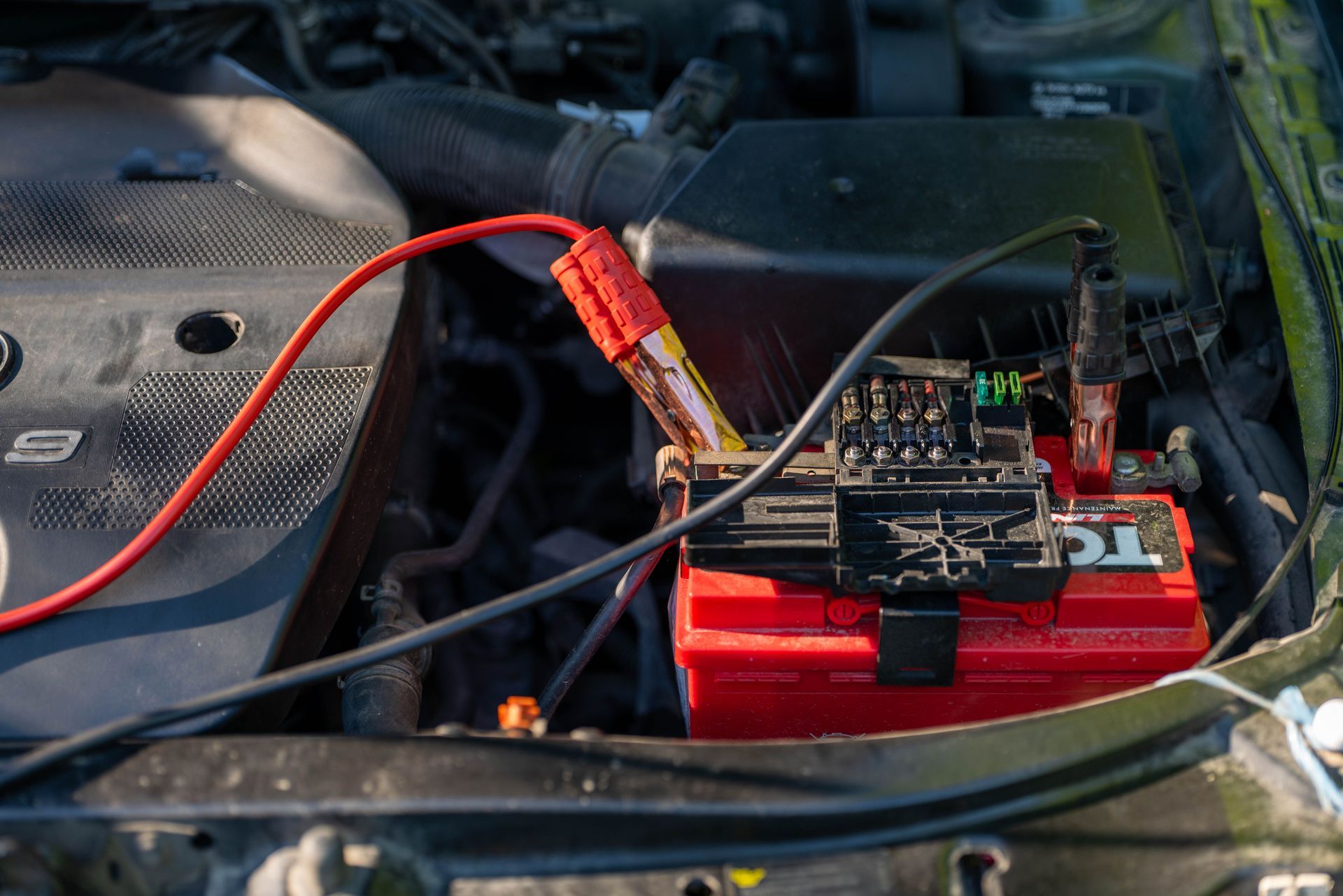
Many BMW owners think of the battery as a simple starting component. If the car cranks and starts, the battery must be fine. If it doesn't start, replace the battery. That logic worked reasonably well on older vehicles. It does not work well on modern BMWs. Today's BMWs rely on a network of computers, sensors, control modules, and intelligent charging systems. The battery is no longer just a starting device—it's a critical part of the vehicle's overall electrical architecture. At TMJ Bimmers, we frequently diagnose BMWs with strange electrical symptoms that turn out to be battery-related, even though the vehicle still starts and drives normally. Understanding this can save owners from unnecessary repairs, confusing warning messages, and preventable breakdowns. Modern BMWs Depend on Stable Battery Voltage A modern BMW may contain dozens of electronic modules responsible for: Engine management Transmission control Electric steering systems Comfort access (keyless entry) Climate control iDrive and infotainment systems Parking sensors and cameras Driver assistance features Communication and telematics systems All of these systems require stable voltage to operate correctly. When battery performance begins to decline, the vehicle may start protecting itself by reducing functionality, disabling non-essential features, or generating seemingly unrelated fault messages. That's why a weak battery can create symptoms that have nothing to do with starting the car. Common BMW Symptoms Caused by a Weak Battery Many owners are surprised to learn that these symptoms may actually point to a battery problem: Auto Start-Stop no longer functions Comfort Access works intermittently Random warning messages appear and disappear iDrive system behaves strangely Vehicle enters battery-saving mode Multiple fault codes are stored Electronic features become unreliable Various dashboard warnings appear without an obvious cause In many cases, owners assume they have several unrelated electrical problems when the root cause is a battery nearing the end of its service life. Why BMW Batteries Fail Differently Than Many Owners Expect On older vehicles, batteries often failed dramatically. One day the car started. The next day it didn't. BMW batteries often fail more gradually. The vehicle may continue starting normally while battery capacity slowly declines. Because the deterioration happens over time, many owners don't realize a problem exists until electrical symptoms begin appearing. By the time the battery finally fails to start the vehicle, it may have been causing electronic issues for weeks or even months. The Intelligent Battery Sensor (IBS) Many BMWs are equipped with an Intelligent Battery Sensor (IBS). This system continuously monitors: Battery condition Charge levels Charging cycles Battery temperature Power consumption The vehicle uses this information to determine how aggressively to charge the battery and how to manage electrical loads. This level of sophistication helps improve efficiency and battery life, but it also means BMW battery replacement is more involved than simply installing a new battery. Why Battery Registration Matters One of the most misunderstood aspects of BMW ownership is battery registration. Whenever a battery is replaced, the vehicle should be informed that a new battery has been installed. This process tells the BMW: A new battery has been installed The battery's capacity The battery type How charging strategies should be adjusted Without registration, the vehicle may continue charging the new battery as if the old, worn battery were still installed. This can lead to: Reduced battery life Charging problems Electrical faults Persistent warning messages Poor battery performance At TMJ Bimmers, we regularly see BMWs with battery-related issues that trace back to an improperly registered replacement battery. A BMW Can Start Normally and Still Need a Battery Perhaps the most important thing for owners to understand is this: Just because your BMW starts doesn't mean the battery is healthy. Starting the engine requires a short burst of power. Modern BMW electronics require stable voltage and reserve capacity throughout every drive. A battery may still have enough power to start the engine while simultaneously causing problems throughout the rest of the vehicle. That's why "it starts fine" is not an accurate battery test. A proper battery evaluation includes: Battery age verification State-of-health testing Charging system testing Diagnostic fault-code analysis Registration verification Why Generic Battery Advice Doesn't Always Apply to BMWs Many owners hear advice like: "Any battery will work." "Just buy the biggest battery that fits." "If it starts, it's good." "You can replace it yourself and be done." These recommendations may work on some vehicles. BMWs are different. The vehicle's charging system is designed around specific battery types, capacities, and management strategies. Installing the wrong battery—or failing to register the correct one—can create issues that are completely avoidable. What We Look for During a BMW Battery Evaluation When a BMW comes into TMJ Bimmers with electrical concerns, we don't simply test battery voltage and call it a day. A proper evaluation may include: Battery age and specification verification State-of-health testing Charging system performance checks Intelligent Battery Sensor data review Fault-code analysis across multiple modules Battery registration verification This allows us to determine whether the battery is truly the source of the problem or if another issue is creating similar symptoms. Why Used BMW Owners Should Pay Special Attention If you've recently purchased a used BMW, battery history is one of the first things you should investigate. Questions worth asking include: How old is the battery? Was it replaced recently? Was it properly registered? Is it the correct battery for the vehicle? Has the charging system been tested? Many second owners inherit battery issues created years earlier and don't discover them until electrical problems begin appearing. The Bottom Line On a modern BMW, the battery is much more than a starting component. It supports dozens of computers, controls critical vehicle systems, and plays a major role in how the entire vehicle operates. When battery health begins to decline, the symptoms often appear in places most owners would never suspect. That's why battery testing, proper replacement, and battery registration are such important parts of BMW ownership. At TMJ Bimmers, we help BMW owners diagnose electrical concerns correctly, verify battery health, and ensure replacement batteries are installed and registered properly. Whether you're experiencing strange warning messages, intermittent electrical issues, or simply want to establish a maintenance baseline for a recently purchased BMW, a professional battery evaluation can provide valuable insight into your vehicle's overall health. Because when it comes to modern BMWs, the battery affects far more than just starting the car.
Boost your vehicle's performance with expert battery servicing at TMJ Bimmers Euro Auto Repair in Houston, TX. Schedule an online appointment now!

One of the most common things we hear at TMJ Bimmers is: "The car drives great." And often, that's absolutely true. The BMW starts every morning, accelerates smoothly, shifts properly, and doesn't display any warning lights. To the owner, everything appears normal. The problem is that many BMW issues develop long before they create noticeable symptoms. In fact, some of the most expensive repairs we see started as problems the driver couldn't feel, hear, or see. That's why one of the biggest mistakes BMW owners make is assuming that if the vehicle drives perfectly, it doesn't need service. Let's talk about why that assumption can be costly. Modern BMWs Are Designed to Hide Problems Today's BMWs are incredibly sophisticated machines. Advanced engine management systems, adaptive electronics, and intelligent monitoring systems allow the vehicle to compensate for developing problems in ways older vehicles never could. A BMW may continue to drive normally even when: An oil leak is developing A coolant leak has started Suspension components are wearing out Battery health is declining Engine mounts are deteriorating Fluid quality is degrading The vehicle often adapts and compensates until the problem reaches a point where it can no longer be ignored. Unfortunately, by that point, the repair is usually more expensive. Small Oil Leaks Rarely Affect Driveability One of the best examples is an oil leak. Many BMW owners assume they would notice an oil leak immediately because they expect to see oil spots on the driveway. That's not always the case. Modern BMWs use extensive underbody covers and splash shields that can trap leaking oil for months. The vehicle may drive perfectly while: Oil slowly accumulates underneath the engine Rubber components become contaminated Belts are exposed to leaking oil Gaskets continue to deteriorate Eventually, what could have been a relatively straightforward repair becomes a larger and more expensive one. Just because your BMW isn't leaving oil stains on the ground doesn't mean it isn't leaking. Cooling System Problems Often Begin Quietly BMW cooling systems are another example. Many BMW engines rely on electric water pumps, plastic fittings, expansion tanks, and hoses that naturally age over time. These components don't always fail without warning. Often there are subtle clues first: Small coolant seepage Dried coolant residue Minor pressure loss Aging plastic components The vehicle may still run at normal temperatures and drive perfectly. Then one day, a component fails completely. What started as a preventative repair can quickly become a roadside breakdown. Your Battery Can Be Weak Long Before It Dies Most people think batteries have only two states: Good Dead BMW batteries are more complicated than that. As battery performance declines, the vehicle may begin disabling certain functions to conserve power. You may notice: Auto start-stop stops working Comfort access becomes inconsistent Warning messages appear intermittently Electrical systems behave strangely Or you may notice nothing at all. A battery can be nearing the end of its life while the vehicle still starts normally every day. Battery testing is one of the simplest ways to identify a potential issue before it becomes an inconvenience. Fluid Condition Matters Even When Everything Feels Normal Many vehicle fluids don't suddenly become bad overnight. They slowly lose their effectiveness over time. Consider: Brake fluid absorbs moisture. Coolant loses corrosion protection. Transmission fluid breaks down from heat cycles. Differential fluid accumulates wear particles. None of these conditions necessarily change how the vehicle feels during your daily commute. But over thousands of miles, degraded fluids contribute to increased wear and reduced component life. This is one reason preventative maintenance remains so important. You're protecting components long before symptoms appear. Suspension Wear Is Often Gradual BMW owners become accustomed to how their vehicle drives. The change is so gradual that many drivers don't realize suspension components are wearing out. We frequently inspect vehicles that have: Worn control arm bushings Aging shocks Deteriorating strut mounts Excessive suspension play The owner often says: "I didn't notice anything wrong." That's because suspension wear typically develops over years, not days. A professional inspection can identify these issues before they affect tire wear, handling, or ride quality. Warning Lights Are Not the Beginning of a Problem Many owners view warning lights as the first sign of trouble. In reality, warning lights are often the result of a problem that has already existed for some time. For example: A coolant leak may exist before a low coolant warning appears. A battery may weaken before electrical warnings begin. An oil leak may develop before oil levels become low. Suspension wear may occur long before abnormal tire wear is visible. The warning light is often the vehicle's way of saying: "This issue has progressed far enough that I can no longer ignore it." That's why waiting for a dashboard warning isn't always the best maintenance strategy. The Goal Isn't to Repair Everything When we recommend inspections or preventative maintenance, the goal isn't to find things to sell. The goal is to understand the vehicle's condition. A good BMW specialist helps owners answer questions like: What needs attention now? What should be monitored? What can safely wait? What repairs will likely be needed in the future? That information allows owners to plan instead of react. And planned maintenance is almost always less stressful than unexpected repairs. The Most Expensive Repairs Often Start as Minor Issues The reality is that major BMW repairs rarely appear overnight. They usually begin as: Small leaks Aging components Minor wear Preventable maintenance items When caught early, many of these issues are manageable. When ignored, they can lead to significantly larger repair bills. That's why a BMW that drives perfectly may still benefit from a professional inspection and preventative maintenance plan. Don't Wait for Symptoms One of the best things about owning a BMW is how refined and capable these vehicles are. One of the challenges is that they often continue performing well even as problems begin developing beneath the surface. Waiting until a vehicle drives poorly, leaks heavily, overheats, or displays warning lights often means the issue has progressed further than necessary. At TMJ Bimmers, we believe the best BMW ownership experience comes from staying ahead of problems rather than reacting to them. If it's been a while since your BMW has had a comprehensive inspection, or if you've recently purchased a used BMW, a proactive vehicle health check can help identify potential issues before they become costly repairs. Because sometimes the BMW that drives perfectly today is the one that benefits most from preventative maintenance.

Buying a used BMW can be one of the smartest automotive decisions you make. You get the engineering, performance, luxury, and driving experience that made the vehicle desirable when it was new—often for a fraction of its original price. Whether you purchased a 3 Series, X5, M340i, X3, or another BMW model, there's a good chance you're getting a lot of car for your money. But there's one mistake we see repeatedly at TMJ Bimmers. Many used BMW owners assume that because the vehicle looks good, drives well, and doesn't have any warning lights, everything is fine. Unfortunately, that's not always the case. The first year of ownership is the most important period for establishing a maintenance baseline and identifying issues before they become expensive repairs. A little attention early on can save thousands of dollars and significantly improve the reliability of your BMW for years to come. Here are the most important things every used BMW owner should do during their first year of ownership. Start With a Comprehensive Pre Purchase Vehicle Inspection Even if the previous owner provided maintenance records, it's important to have the vehicle thoroughly inspected by a BMW specialist. Many BMW problems develop gradually. Small oil leaks, aging cooling system components, worn suspension parts, and deteriorating gaskets often go unnoticed by owners because the vehicle still drives normally. A professional inspection can help identify: Oil leaks Coolant leaks Suspension wear Brake system condition Tire wear issues Battery health Fluid condition Maintenance items approaching replacement intervals The goal isn't to find problems for the sake of finding problems. The goal is to understand exactly where your BMW stands today so you can plan for tomorrow. Think of it as creating a roadmap for ownership. Establish a Maintenance Baseline One of the biggest challenges with used vehicles is uncertainty. You may have maintenance records. You may not. You may know when the oil was changed. You may not know whether the transmission fluid has ever been serviced. Rather than guessing, establish a maintenance baseline. Depending on mileage and service history, consider evaluating: Engine oil and filter Cabin air filter Engine air filter Brake fluid Coolant condition Transmission fluid Differential fluid Transfer case fluid (if equipped) Many BMW owners are surprised to learn that fluids marketed as "lifetime fluids" often benefit from replacement long before the vehicle reaches high mileage. Creating a known starting point helps eliminate uncertainty and gives you confidence moving forward. Don't Ignore Small Oil Leaks BMW engines are known for developing oil leaks as they age. Common leak sources include: Valve cover gaskets Oil filter housing gaskets Oil pan gaskets Turbo oil lines The mistake many owners make is waiting until they see oil on the driveway. Modern BMWs use extensive underbody panels and splash shields that can catch and conceal leaking oil. In many cases, oil leaks can exist for months before they become visible from outside the vehicle. Small leaks can eventually contaminate rubber components, belts, cooling hoses, and other nearby parts. Addressing a leak early is often significantly less expensive than waiting for it to worsen. Pay Close Attention to the Cooling System If there is one system that deserves extra attention during your first year of BMW ownership, it's the cooling system. Many BMW engines rely on components that naturally wear with age, including: Electric water pumps Thermostats Expansion tanks Coolant hoses Plastic cooling system fittings Cooling system failures often happen suddenly. A vehicle that runs perfectly one day can experience a cooling system failure the next. Watch for: Coolant warnings Low coolant messages Sweet smells from the engine bay Visible coolant residue Rising engine temperatures Preventative maintenance is almost always less expensive than repairing an overheated engine. Check the Battery's Age BMW batteries do much more than start the vehicle. Modern BMWs rely on battery health to support dozens of electronic systems, including: Comfort access Auto start-stop Electronic steering systems Climate control Driver assistance features Vehicle communication modules As batteries age, strange symptoms can appear: Multiple warning lights Intermittent electronic faults Reduced system functionality Start-stop system failures Many owners assume these symptoms indicate major repairs when the root cause is simply a weak battery. Knowing the battery's age and condition early in ownership can prevent unnecessary frustration. Learn What Your Warning Lights Actually Mean One of the biggest mistakes new BMW owners make is treating all warning lights the same. Some warnings indicate maintenance items that should be scheduled soon. Others indicate problems that require immediate attention. Understanding the difference can prevent unnecessary stress while also helping you avoid costly damage. If a warning appears and you're unsure what it means, don't ignore it and don't guess. Have it properly diagnosed. A simple fault code today may prevent a much larger repair tomorrow. Monitor Tire Wear Carefully BMW suspension systems are designed for handling performance, but they can be sensitive to alignment issues and worn suspension components. Uneven tire wear may indicate: Alignment issues Worn control arm bushings Suspension wear Incorrect tire pressure Tires often tell a story about what's happening underneath the vehicle. Regular inspections can reveal issues before they affect ride quality, safety, or tire life. Build a Relationship With a BMW Specialist One of the smartest things you can do during your first year of ownership has nothing to do with parts or repairs. Find a BMW specialist you trust. BMWs are sophisticated vehicles that benefit from technicians who understand their unique systems, maintenance requirements, and common failure points. An experienced BMW specialist can help you: Prioritize repairs Plan maintenance budgets Monitor developing issues Avoid unnecessary repairs Maximize vehicle reliability The right shop becomes a long-term partner in your ownership experience. The First Year Sets the Tone for Everything That Follows The first year of used BMW ownership isn't about fixing everything. It's about understanding what you own. The owners who enjoy the best long-term BMW experience are usually the ones who establish a maintenance baseline early, address small issues before they become major repairs, and stay proactive rather than reactive. BMWs reward informed ownership. When maintained properly, they can deliver years of outstanding performance, comfort, and driving enjoyment. At TMJ Bimmers, we help BMW owners understand the condition of their vehicles, identify potential issues before they become major problems, and develop maintenance plans that make ownership more predictable and enjoyable. If you've recently purchased a used BMW, scheduling a comprehensive inspection is one of the best investments you can make in your vehicle's future.
Expert air conditioning service for European vehicles in Houston, TX. Trust TMJ Bimmers Euro Auto Repair for reliable maintenance. Schedule an appointment!
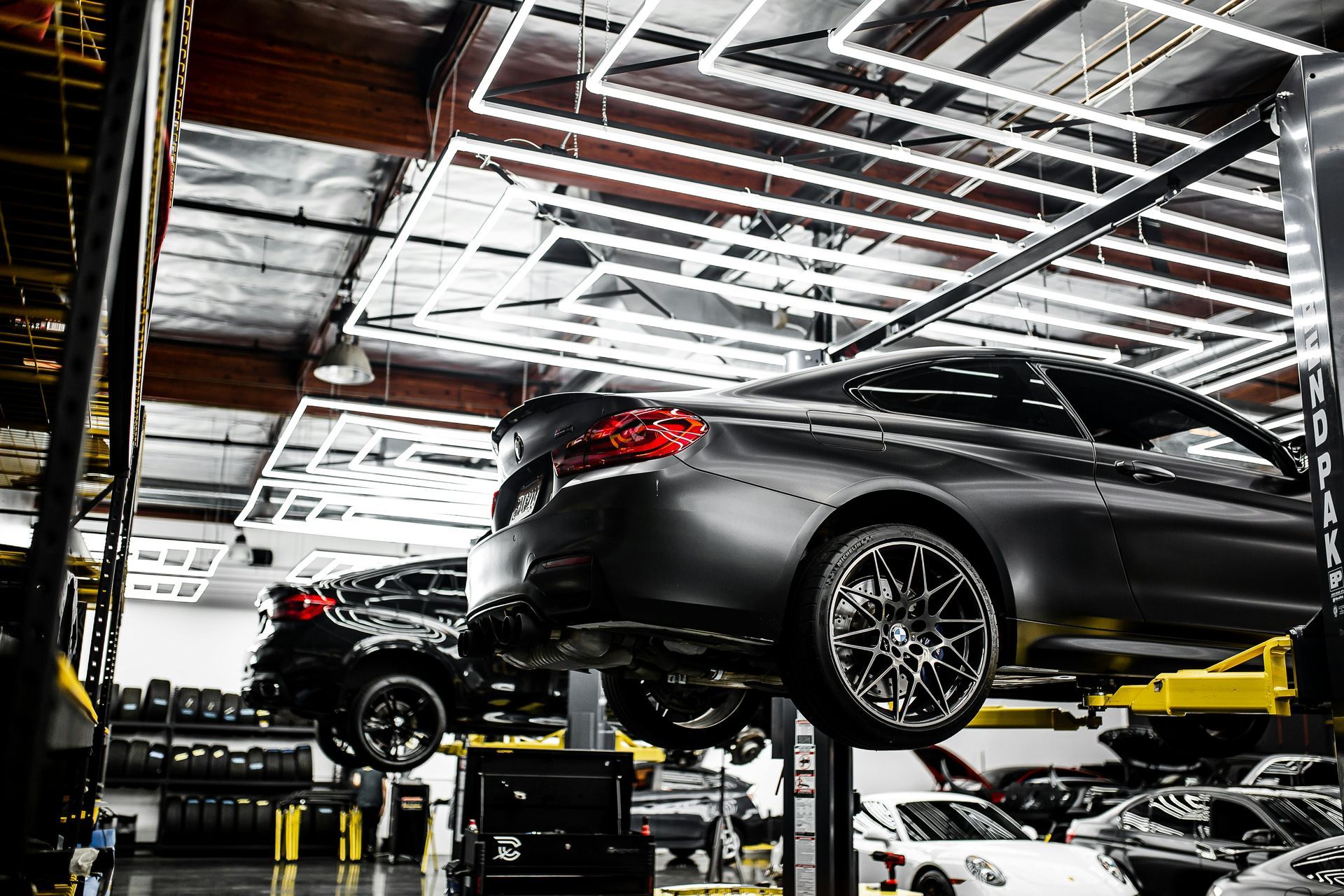
A Smarter Way to Buy—and Own—a BMW There’s a moment that every BMW buyer knows well. You spot the car. The stance is right. The paint catches the light just enough. You take it for a drive, and within minutes, you’re already picturing it in your driveway. At that point, logic tends to take a backseat. That’s exactly where problems start. BMWs are engineered to deliver an incredible driving experience—but they’re also complex machines with very specific maintenance needs. A car can feel tight, smooth, and powerful during a 15-minute test drive while quietly hiding thousands of dollars in upcoming repairs. That’s why at TMJ Bimmers, we always say the same thing: The most important part of buying a BMW happens before you own it—and immediately after you do. The Emotional Trap of Buying a BMW Buying a car isn’t purely rational. If it were, no one would care about driving dynamics, exhaust notes, or design details. With these luxury vehicles, that emotional pull is even stronger. You’re not just buying transportation—you’re buying performance, precision, and a driving identity. But that emotional momentum can cause buyers to overlook one critical step: verifying what’s actually going on beneath the surface. A clean Carfax. No warning lights. A smooth drive. That’s not proof of a healthy vehicle. It’s just the absence of obvious problems. What a Pre-Purchase Inspection Really Does A Pre-Purchase Inspection (PPI) is where emotion meets reality in the best possible way. It doesn’t exist to kill a deal. It exists to define the deal. At TMJ Bimmers, a proper PPI is less like a checklist and more like a full diagnostic story of the vehicle. We’re not just looking for what’s broken—we’re identifying what’s about to be. Because with these vehicles, timing is everything. A car may not need a cooling system today—but if it’s original at 70–90k miles, it’s not a question of if, it’s when. Here’s what we’re really uncovering during a PPI: Hidden electronic issues Stored shadow codes that never trigger dashboard warnings. These can point to early-stage failures long before they become obvious. Oil leaks in their early stages A minor seep today becomes a major repair tomorrow. Catching it early changes both the cost and the conversation. Cooling system wear Water pumps and thermostats don’t always fail gradually. Sometimes they fail all at once, and when they do, the engine is at risk. Suspension fatigue The car may still feel fine, but worn bushings and dampers slowly degrade handling and tire wear. Signs of previous repair work Not all repairs are equal. We often find evidence of shortcuts that won’t hold up long term. This isn’t about finding a perfect car. That doesn’t exist. It’s about understanding what you’re walking into. The Power of Information and Negotiation One of the biggest misconceptions about a PPI is that it’s just a pass or fail test. It’s not. It’s leverage. When you know the car needs a valve cover gasket, suspension work, or a cooling system refresh, you’re no longer guessing. You’re negotiating with facts. We’ve seen buyers save thousands simply by having a clear, professional assessment in hand. In many cases, the cost of the inspection is covered several times over in the final purchase price. And just as important, we’ve seen buyers walk away from cars that would have become expensive mistakes. Both outcomes are wins. Already Bought the Car? You’re Not Too Late Sometimes deals move fast. Sometimes the right car shows up and you don’t want to lose it. Or maybe you didn’t realize how important a PPI was until after the purchase. That’s where a Post-Purchase Inspection becomes critical. Instead of evaluating whether you should buy the car, we shift to a more important question: What does this car need now, and what will it need next? Turning Ownership Into a Plan A Post-Purchase Inspection at TMJ Bimmers is about creating a roadmap. Not everything needs to be fixed immediately. The key is knowing what matters now versus later. We typically break things into three categories: Immediate Attention These are issues that shouldn’t wait: Active oil or coolant leaks Brake components below safe limits Overheating risks Safety-related suspension concerns Near-Term Maintenance These are the items that, if ignored, become bigger repairs: Tires nearing replacement Aging batteries Worn control arm bushings or mounts Long-Term Planning This is where smart BMW, Mercedes, and Porsche ownership really pays off: Cooling system refresh intervals Transmission service, which is often overlooked Engine-specific known issues based on platform This approach removes guesswork. Instead of reacting to problems, you’re managing them. Why BMW-Specific Experience Changes Everything BMWs aren’t like most cars, and that’s exactly why people love them. But it’s also why generic inspections fall short. A general shop might tell you a car looks good. A BMW specialist will tell you: If that engine is known for timing chain issues Whether those injectors are nearing failure If the cooling system is original and on borrowed time Whether a small leak is routine or a warning sign At TMJ Bimmers, we don’t just inspect cars—we see patterns. We know how these vehicles age, where they fail, and what separates a good buy from a costly one. That level of insight only comes from specialization. A Quick Story That Says It All A customer came in ready to buy a BMW that checked every box. Clean history, great condition, no warning lights. On the surface, it was exactly what you’d want. During the PPI, we found: An early-stage oil leak Front suspension wear that hadn’t yet affected the drive Cooling system components nearing the end of their lifecycle Nothing catastrophic, but all expensive if ignored. Armed with that information, the buyer renegotiated the deal and saved thousands. Same car. Completely different outcome. The Bottom Line Buying a BMW should be exciting. Owning one should be rewarding. Both are true when you go in with clear information. A Pre-Purchase Inspection protects you before the decision. A Post-Purchase Inspection protects you after it. Together, they remove uncertainty and replace it with control. And with a car like a BMW, that makes all the difference. Schedule with Confidence If you’re considering a BMW or you’ve just bought one, don’t rely on guesswork. Schedule your inspection with TMJ Bimmers and get a clear, honest understanding of your vehicle before small issues turn into major repairs.

BMW ownership is about more than performance and driving dynamics. Comfort, air quality, and interior climate control are just as important to the driving experience. One of the most overlooked maintenance items that directly affects all three is the cabin air filter. Replacing your BMW’s cabin air filter is one of the easiest DIY services owners can perform, yet it has a noticeable impact on air quality, HVAC performance, and even interior odors. In this guide, TMJ Bimmers explains how to replace your BMW cabin air filter properly and when it makes sense to handle the job yourself. What Does a Cabin Air Filter Do? The cabin air filter cleans the air entering your vehicle through the heating and air conditioning system. It traps: • Dust and pollen • Road debris and pollutants • Exhaust particles • Mold spores and allergens Every time you turn on your climate control system, air passes through this filter before reaching the cabin. Over time, the filter becomes clogged, restricting airflow and reducing system efficiency. Signs Your BMW Cabin Air Filter Needs Replacement Many drivers don’t realize their filter is overdue because performance declines gradually. Common symptoms include: • Weak airflow from vents • Musty or unpleasant odors • Increased dust inside the cabin • Windows fogging more easily • Louder HVAC fan noise BMW typically recommends replacement every 12–15 months, but urban driving or heavy traffic conditions may require more frequent service. Where the Cabin Air Filter Is Located Unlike many vehicles, most modern BMWs place the cabin air filter under the hood near the windshield cowl rather than behind the glove box. Exact placement varies slightly by model, but the process is very similar across the BMW lineup including 3 Series, 4 Series, 5 Series, X3, and X5 models. Tools You’ll Need Most BMW cabin air filter replacements require minimal tools: • Replacement cabin air filter (OEM or high-quality equivalent) • Torx driver or small socket set (varies by model) • Clean cloth or shop towel No lifting or specialty equipment is required. Step-by-Step: Replacing the Cabin Air Filter Step 1: Open the Hood Park on a flat surface, turn off the engine, and open the hood. Locate the plastic cowl panel at the base of the windshield on the passenger side. Step 2: Remove the Filter Housing Cover Release the clips or remove the screws securing the plastic cover. Carefully lift the housing cover to expose the cabin air filter tray. Step 3: Remove the Old Filter Slide the filter out slowly. Pay attention to the airflow direction arrows printed on the filter, as the new filter must be installed the same way. You may notice leaves, dirt, or debris inside the housing. This is normal. Step 4: Clean the Housing Area Use a clean cloth to remove loose debris from inside the filter compartment. Keeping this area clean improves airflow and prevents odors. Step 5: Install the New Filter Insert the new filter with airflow arrows pointing in the correct direction, usually toward the cabin. Ensure the filter sits evenly and fully inside the tray without bending. Step 6: Reinstall the Cover Reattach the housing cover and secure all clips or screws. Close the hood and start the vehicle to verify normal airflow. Choosing the Right Cabin Air Filter Not all filters are equal. BMWs benefit from higher-quality filters designed for advanced HVAC systems. Recommended options include: • OEM BMW filters • Activated charcoal filters for odor reduction • Anti-allergen or premium microfilters Activated carbon filters are especially helpful for drivers in city environments or heavy traffic. How Often Should You Replace It? TMJ Bimmers recommends cabin air filter replacement: • Every 12 months or 10,000–15,000 miles • Before allergy season • After heavy wildfire smoke or poor air quality conditions • Whenever airflow noticeably decreases Regular replacement helps your HVAC system operate efficiently and reduces strain on blower motor components. When DIY Isn’t the Best Option While cabin air filters are generally DIY-friendly, professional service may be better if: • Plastic cowl panels feel brittle or damaged • Fasteners are stripped or missing • You notice water intrusion near the filter housing • Persistent odors remain after replacement These can indicate drainage or sealing issues that require inspection. Why This Small Service Matters A clean cabin air filter improves more than comfort. It helps maintain proper HVAC airflow, reduces system wear, and improves overall driving experience. Many BMW owners are surprised how much quieter and stronger their climate system feels after replacement. DIY Maintenance With Professional Support At TMJ Bimmers, we encourage BMW owners to understand their vehicles and handle simple maintenance when they feel comfortable doing so. Preventative care like cabin air filter replacement helps extend vehicle life and keeps small issues from becoming large repairs. When you prefer expert service, our BMW-specialized technicians inspect the entire HVAC and ventilation system during maintenance visits to ensure everything operates exactly as engineered. Need BMW Maintenance or Inspection? TMJ Bimmers provides BMW-focused service designed for long-term reliability and performance, including: • Scheduled maintenance services • HVAC system inspections • Interior air quality solutions • Preventative maintenance planning • BMW factory-level diagnostics Whether you enjoy DIY maintenance or want professional support, TMJ Bimmers is here to help keep your BMW performing at its best.
Expert battery servicing at TMJ Bimmers Euro Auto Repair in Houston, TX. Ensure your vehicle runs smoothly. Call us today for a check-up!
Enhance vehicle safety with precise alignments at TMJ Bimmers Euro Auto Repair in Houston, TX. Expert care for optimal performance. Schedule an appointment now!