The Most Common Issues Porsche Owners Deal With — What You Need to Know
Porsche. The name alone conjures thoughts of performance, precision, and prestige. Whether you're cruising in a Cayenne, pushing the limits in a 911, or enjoying the balance of a Cayman, Porsche vehicles are in a league of their own. But no high-performance machine is without its quirks—and knowing what to expect can help keep your ownership experience smooth and enjoyable.
Here are the most common issues Porsche owners face—and what you can do to stay ahead of them.
1. IMS Bearing Failure (Mainly 996 and Early 997 911s)
One of the most infamous Porsche issues, the intermediate shaft (IMS) bearing problem has affected many 911 models built between 1999 and 2008.
- What happens: The IMS bearing can fail without warning, causing catastrophic engine damage.
- Models affected: Mostly 996 and early 997 911s; Boxster models from the same era also at risk.
- Fix: Many owners opt to upgrade the IMS bearing proactively with a ceramic or updated bearing. If you're shopping used, ask if this repair has been done.
2. Coolant Pipe Leaks (Cayenne & Panamera)
Coolant pipe issues are common in first-generation Cayennes and early Panameras.
- Symptoms: Coolant smell, overheating, puddles under the car.
- The cause: Porsche originally used plastic coolant pipes that degrade and crack.
- Solution: Upgrade to the aluminum coolant pipe retrofit. It’s a permanent fix that most reputable shops are familiar with.
3. Rear Main Seal (RMS) Leaks
A slow but steady oil leak from the rear main seal is another common complaint, particularly in older 911s and Boxsters.
- What to watch for: Oil spots under the engine, clutch slippage (if manual), or oil odor.
- When it happens: Often noticed around 40,000–60,000 miles.
- Fix: Replacing the seal itself is inexpensive, but labor costs are high. Many combine this with a clutch job or IMS bearing replacement.
4. Air-Oil Separator (AOS) Failure
The AOS is a vital part of your Porsche's crankcase ventilation system. When it fails, oil and air don’t mix well—leading to rough idling, smoke, or poor performance.
- Symptoms: White exhaust smoke, check engine light, high oil consumption.
- Models affected: Boxster, Cayman, and 911 models.
- Fix: Replace the AOS at the first sign of trouble—it's a relatively affordable repair when caught early.
5. Suspension Wear (Especially on Performance Models)
Whether it’s the Macan or 911, Porsche’s tight handling comes from precise suspension geometry—which means components wear faster.
- Common problems: Worn control arms, bushings, sway bar links, and leaking struts.
- Symptoms: Clunks, uneven tire wear, drifting alignment.
- Best practice: Inspect suspension yearly and replace worn parts before it affects safety or handling.
6. Carbon Buildup in Direct Injection Engines
Modern Porsches (especially after 2009) use direct fuel injection (DFI), which can lead to carbon buildup on intake valves over time.
- Symptoms: Power loss, rough idle, poor fuel economy.
- Solution: Walnut blasting the intake valves every 60k–80k miles is the standard remedy. It restores lost performance and engine efficiency.
7. PCM/Infotainment Glitches
Porsche Communication Management (PCM) systems can sometimes be buggy—especially in early Macan, Panamera, and 991 models.
- Common issues: Frozen screens, Bluetooth dropouts, GPS lag, or full system failure.
- Fixes: A software update from the dealer can often fix these. In older cars, an aftermarket head unit is sometimes a better option.
8. Battery Drain & Electrical Gremlins
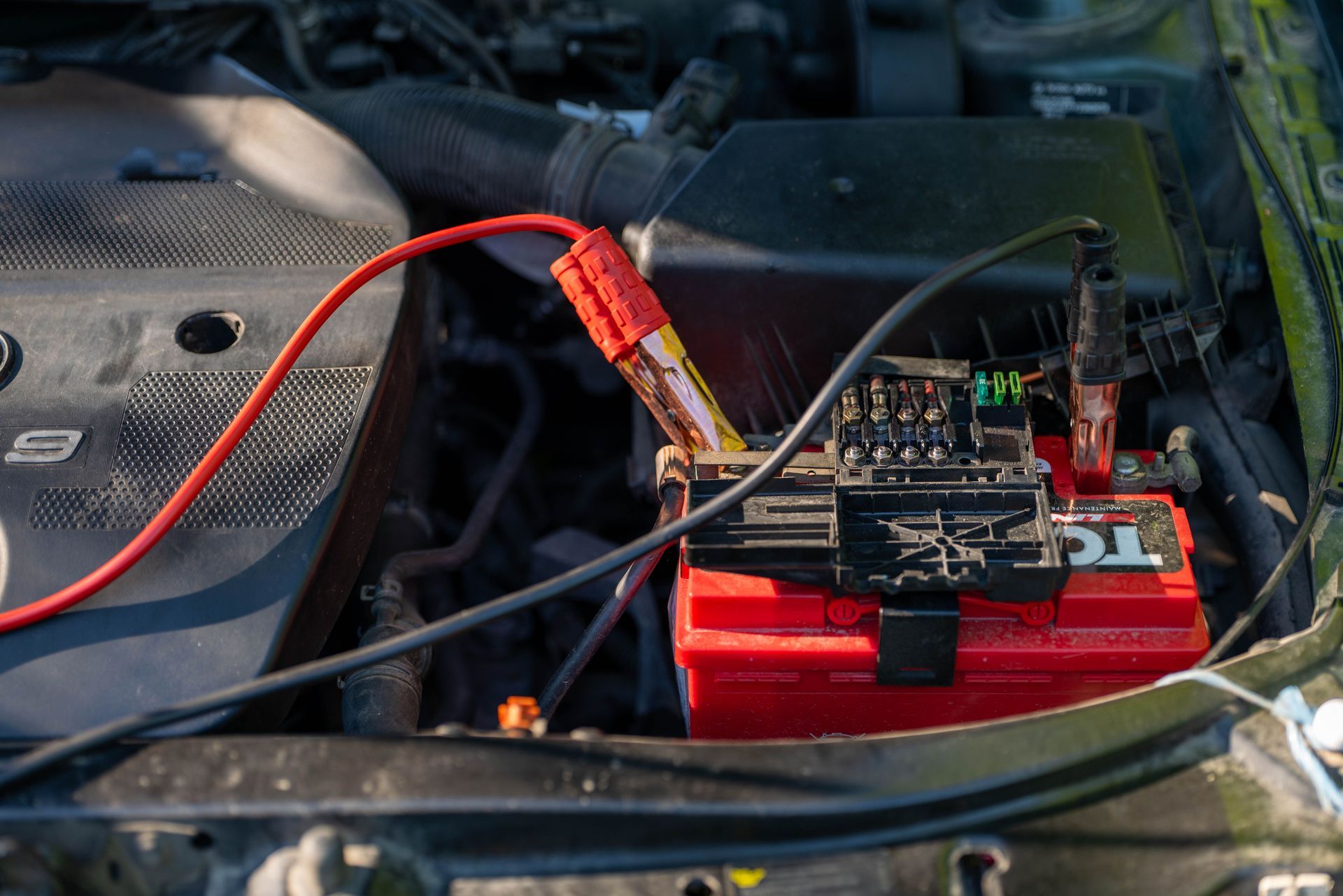
Due to their advanced electronics and “always-on” modules, Porsches are prone to battery drain—especially if they’re not daily drivers.
- Common complaints: Battery dead after a few days, random warning lights, or parasitic drain.
- Tips: Use a trickle charger if the car sits for long periods. Have your shop test for parasitic draw if the problem persists.
9. Brakes Wear Quickly (But That’s Normal)
Porsche brakes are high-performance by design—but that also means they wear faster and cost more.
- What’s normal: Replacing pads and rotors at 30k–50k miles, depending on driving style.
- Track use? You’ll go through brakes even quicker.
- Advice: Stick with OEM or upgraded aftermarket pads that match your use (daily driving vs. track).
🔧 Tips to Keep Your Porsche Running Smooth
- Stick to maintenance intervals — especially oil changes every 6 months, or 6,000 miles, along with brake fluid flushes, and inspections.
- Avoid cheap parts — Porsche precision demands OEM-quality or better.
- Watch mileage milestones — things like RMS, AOS, or coil packs often fail in predictable ranges (40k, 60k, 100k).
- Invest in a trusted independent Euro Automotive shop with a specialty in Porsches — they often charge less than dealers and are more experienced with common issues.
Our Final Thoughts
Porsches are engineered for enthusiasts—fast, refined, and thrilling. But with great performance comes the need for diligent care. By understanding the most common Porsche problems, you can avoid surprises, keep maintenance manageable, and enjoy everything your car was built to offer.
Whether you own an air-cooled classic or a modern Turbo S, staying informed is the key to a rewarding ownership experience.
Need service or just want a second opinion?
Visit
TMJ Bimmers in Houston, TX—your trusted, family-owned European car repair center. Call us today or schedule your appointment online. Let’s keep your Mercedes running like new.